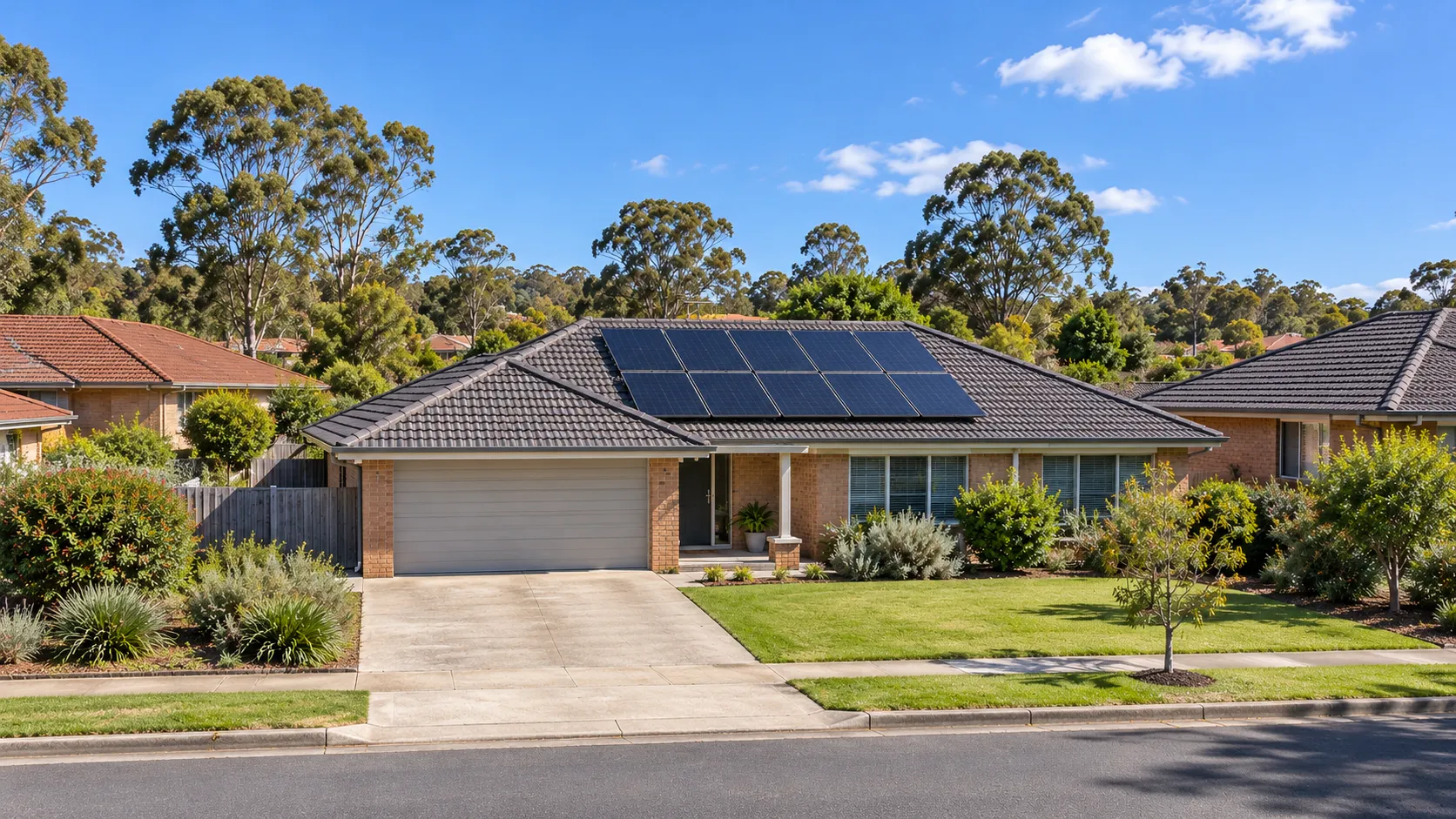
A damaged solar panel can leave you wondering whether a relatively small problem will turn into a whole-system replacement. In many cases, replacing a single panel is possible. The key is finding a replacement that works safely and effectively with the equipment already installed on your roof.
For Sydney homeowners comparing repair options, compatibility, expected performance and the condition of the remaining equipment all influence the decision. Knowing what a professional should assess makes it easier to compare quotes and understand whether a targeted repair is practical. All testing, panel removal and electrical work must be carried out by a licensed professional.
Not necessarily. If the damage is confined to one module and the remaining equipment is suitable for continued use, replacing a single panel may be a practical solution. One damaged panel does not automatically mean the entire array has reached the end of its useful life.
Australian Government guidance on replacing solar components explains why a professional assessment should guide decisions about which parts need replacing.
The right approach depends on the installation condition, compatible replacement availability and whether the existing inverter, mounting system and electrical connections can continue to operate.
Solar panels are individual modules within a larger system, so damage to one does not automatically require replacing the others. However, an assessment is needed to establish whether the fault is isolated or whether other components have also been affected.
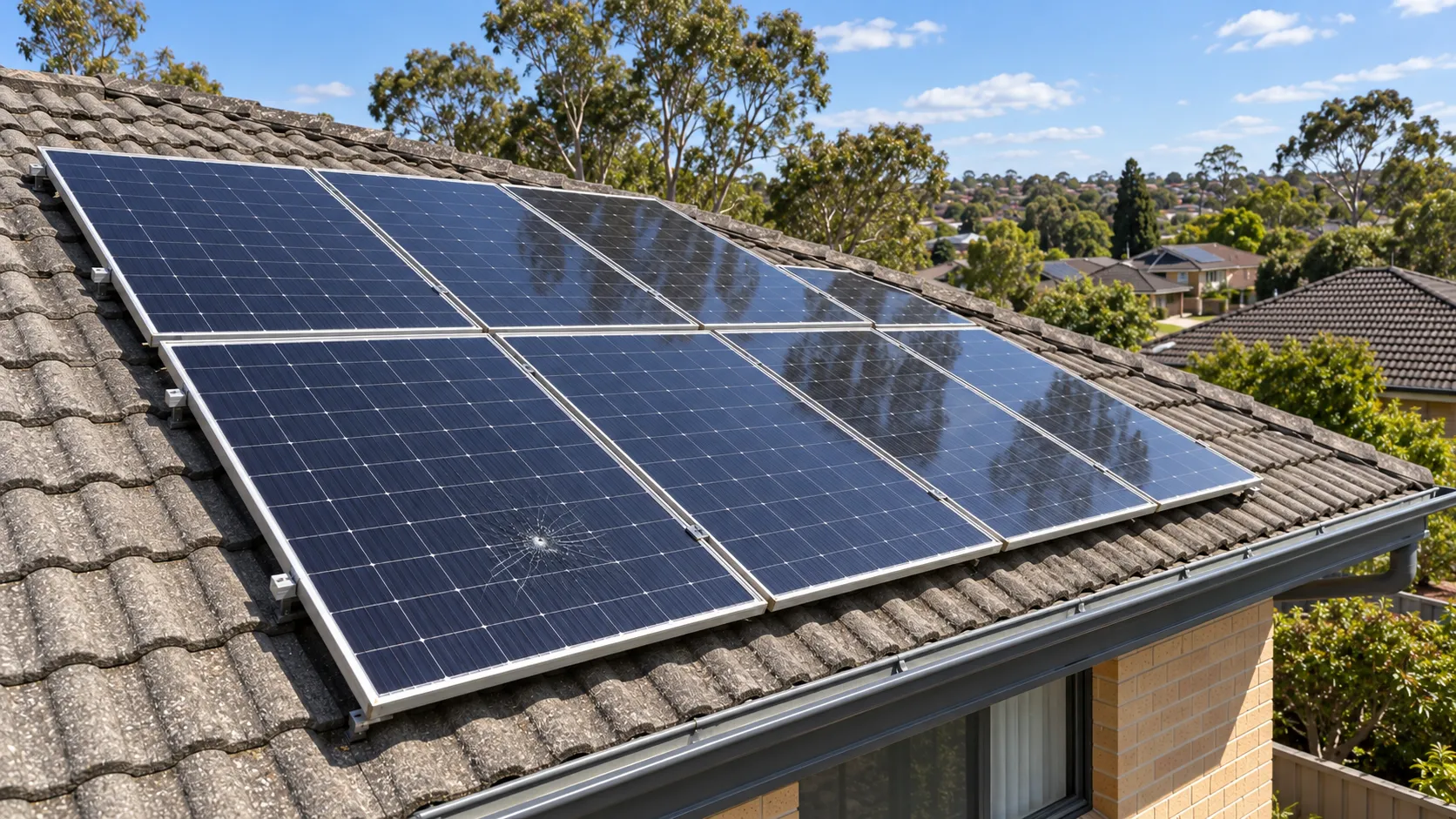
If the remaining panels are serviceable, the mounting is sound and the electrical connections are suitable, replacing healthy equipment may add unnecessary expense. Conversely, visible damage should never be dismissed as cosmetic because a panel's appearance cannot establish its electrical condition or whether it is safe to operate.
When comparing proposals for solar system repairs, ask whether the recommended work addresses an isolated module or a wider system issue. The explanation should identify the problem, the proposed solution and the reasons for including any additional work.
A professional should assess the remaining panels, mounting hardware, relevant electrical connections and inverter. The assessment should also consider the original panel's manufacturer, model and electrical specifications, along with any available system documentation.
Age provides useful context, but it is not a complete diagnosis. An older array may still support a targeted replacement, while a newer installation may have compatibility issues that make the repair more complicated.
If a broader refurbishment is recommended, ask which components show signs of deterioration and why replacing only the damaged module would be inadequate. Also, check the applicable product and installation warranties before authorising work, as replacement decisions may affect existing coverage.
For more context on why this assessment belongs with a professional, read about the difference between homeowner checks and professional repair work. Observations made safely from the ground can help explain your concern, but they do not replace professional testing.
Two solar panels with the same advertised wattage can have different electrical characteristics and physical dimensions. Finding a replacement involves more than selecting a module with an equivalent power rating.
The replacement must suit the existing circuit design, inverter requirements, mounting arrangement and electrical connections. These factors need to be assessed together to determine whether the proposed module is suitable for the installation.
Wattage describes a panel's rated power under specified test conditions, but it does not fully describe its electrical behaviour. Voltage and current ratings also matter when determining whether a replacement can operate appropriately alongside existing modules.
In many installations, panels are connected in series to form a string. The panels in that string share a current path, meaning differences between modules can affect the performance of the connected array. Depending on the mismatch, operating conditions and system design, a replacement may limit the output of other panels in the same string.
The inverter's operating voltage and current limits must also be considered. A module that appears suitable based on wattage alone may not operate within the required range when connected to the existing system.
Some installations use module-level power electronics, such as microinverters or DC optimisers, which can change how differences between panels affect generation. However, these systems still have compatibility requirements that need to be checked.
This is why a higher-wattage panel is not automatically a better replacement. Its additional rated capacity may not translate into greater usable output if the existing circuit or inverter limits performance. Ask the installer to explain how the proposed module will interact with the existing array and what effect, if any, is expected on generation.
Physical fit is another important consideration. A replacement panel may have a different length, width, frame thickness or approved clamping arrangement. Even a small difference can affect its placement alongside existing modules and whether the mounting system can support it correctly.
Electrical connectors also require careful assessment. Connectors that look similar are not necessarily compatible and using unsuitable combinations can create electrical and safety risks. The professional handling the replacement should verify the connector types and any required changes rather than assume that parts are interchangeable. NT WorkSafe’s guidance on connector compatibility explains the risks associated with mismatched solar connectors.
A suitable proposal should identify the replacement module and explain any necessary mounting or connection changes. It should also account for safe roof access, removal of the damaged panel and the checks required before the system returns to service.
Homeowners should not disconnect equipment or attempt to compare electrical connections themselves. Solar modules can generate electricity in daylight, even when the system is not supplying power to the home.
A discontinued panel does not automatically mean the entire solar system needs replacing. A compatible alternative may be available, although its suitability depends on the original module's specifications, the existing system design and the condition of the equipment being retained.
The main options are to install a compatible alternative, investigate a suitable second-hand module or consider a wider replacement if no practical single-panel solution is available.
The first option is to compare an alternative module against the requirements of the existing array. The replacement does not necessarily need to be visually identical, but its electrical characteristics, dimensions, mounting requirements and connector specifications must be appropriate for the installation.
A professional should compare the relevant product specifications rather than rely on descriptions such as "similar size" or "equivalent power". Ask which differences matter, whether any modifications are necessary and how the replacement is expected to affect connected panels.
There may be several suitable alternatives, or there may be no straightforward match. Older panel formats can be difficult to source and newer products may differ in their dimensions and electrical characteristics. Suitability should be confirmed before a replacement is purchased.
Second-hand panels require additional caution. Finding the same model can simplify the compatibility assessment, but a matching product label does not establish the panel's current condition. Previous use, storage and handling may have affected its performance and warranty coverage, or supporting documentation may be limited.
If a used module is proposed, ask how its condition will be assessed through appropriate professional inspection and testing. The decision should account for its expected performance, electrical suitability and available warranty protection, not just its appearance or model number.
Replacing several panels may be justified when an individual substitute cannot be integrated safely or appropriately. For example, available modules may be incompatible with the existing string configuration, or the assessment may identify deterioration affecting multiple panels.
However, replacing the entire installation should not be the automatic response to a discontinued model. Ask whether a defined group of panels can be replaced while retaining suitable equipment elsewhere and whether the existing inverter and mounting system can support that arrangement.
If a broader replacement is proposed because several panels are deteriorating, the recommendation should identify the relevant findings. This helps distinguish necessary repairs from optional upgrades.
Before approving the work, let the supplier explain the available options, including a single compatible replacement, a larger replacement scope or the reasons a targeted repair is not practical.
For additional context when comparing proposals, the article on solar system repair costs and value for homeowners explains why the overall scope and expected outcome matter alongside the price of an individual panel.
The most suitable replacement balances compatibility, expected performance, installation requirements and the condition of the equipment that will remain. The smallest repair is not always the most practical option, but a larger job should have a clear technical justification.
A useful assessment should explain what the repair is expected to achieve, which components will be retained and whether any limitations or uncertainties could affect the outcome.
Replacing one panel does not make the rest of the array new again. The remaining modules retain their existing condition and performance characteristics, so the expected outcome should reflect the system as it operates today rather than its original advertised capacity.
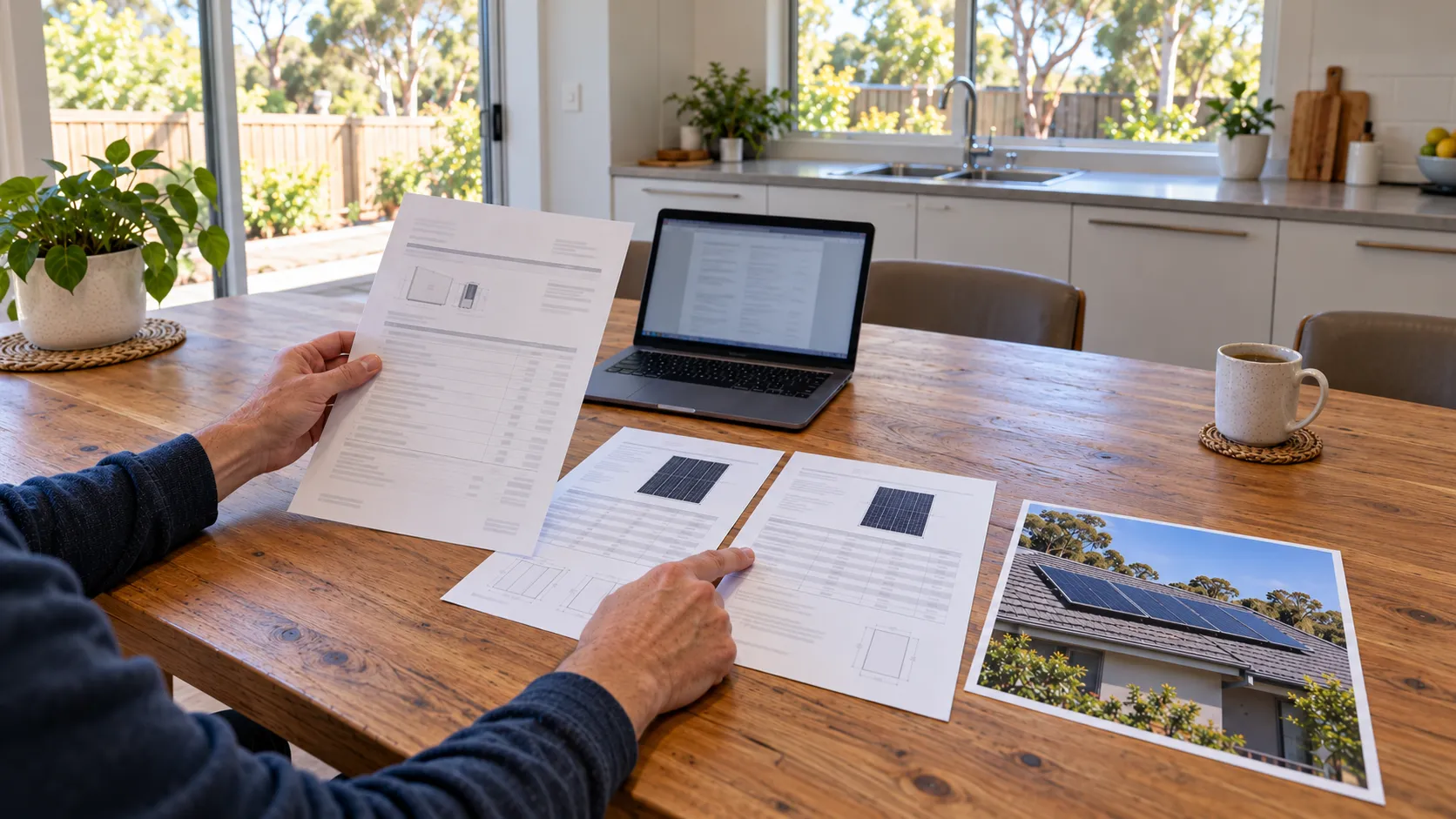
The improvement will depend on how the damaged panel affected generation, how well the replacement matches the existing equipment and whether other components are performing as expected.
A professional should distinguish between restoring lost output and increasing the system's capacity. A higher-rated replacement does not necessarily increase total generation, particularly where the existing circuit or inverter limits the usable output.
If broader work is recommended, ask which findings support it and whether those issues would remain after a single-panel replacement. This makes it easier to compare the expected benefits of each option rather than judging proposals solely by their upfront cost.
Request a written scope that identifies the replacement panel, any associated work, the equipment being retained and the expected outcome. The proposal should also clarify the warranty coverage for the replacement module and the installation work, including any implications for existing system warranties.
A replacement panel may look different from the surrounding modules. Variations in cell patterns, frame colours and surface appearance can be noticeable, particularly on roofs visible from the street. These differences do not necessarily indicate an electrical compatibility problem.
However, appearance and physical fit are separate considerations. A colour variation may be acceptable, while unsuitable dimensions or mounting requirements can make a panel impractical to install. If a consistent appearance matters, raise this before selecting a replacement and ask whether product specifications or photographs are available.
Roof access and the existing layout can also affect the practical scope and cost of the work. The panel itself is only one part of the job, so the proposal should explain the requirements for safe removal, installation and professional testing.
For Sydney homeowners, Platinum Solar Group can assess the existing installation and advise whether a single-panel replacement is appropriate. Before approving a repair, confirm the proposed module's compatibility, the expected effect on generation, any additional work and the applicable warranty arrangements.
Until the damaged panel has been professionally assessed, avoid touching it, climbing onto the roof or disconnecting any equipment. Follow the professional's advice about safe system operation and the steps required to complete the repair.