How to Choose the Right Solar Battery Size for Maximum Savings

January 9, 2026

Choosing the right storage size plays a big role in how much value you actually get from your solar battery installation. Many households in Sydney focus on panels first, but storage is where long-term savings really start to show. When sized properly, it helps cut reliance on the grid and makes better use of the power already being produced on site. Our experts at Platinum Solar Group see many households improve their results simply by choosing a size that fits real usage rather than guesswork.

A well-sized system feels seamless in everyday life. Power is available when it is needed, and excess energy is not wasted or pushed back to the grid for minimal return. Bills become more predictable, and energy habits slowly improve as people can see how their home performs. Getting this decision right from the start helps avoid costly upgrades later on.
Understand How Battery Storage Works In A Solar System

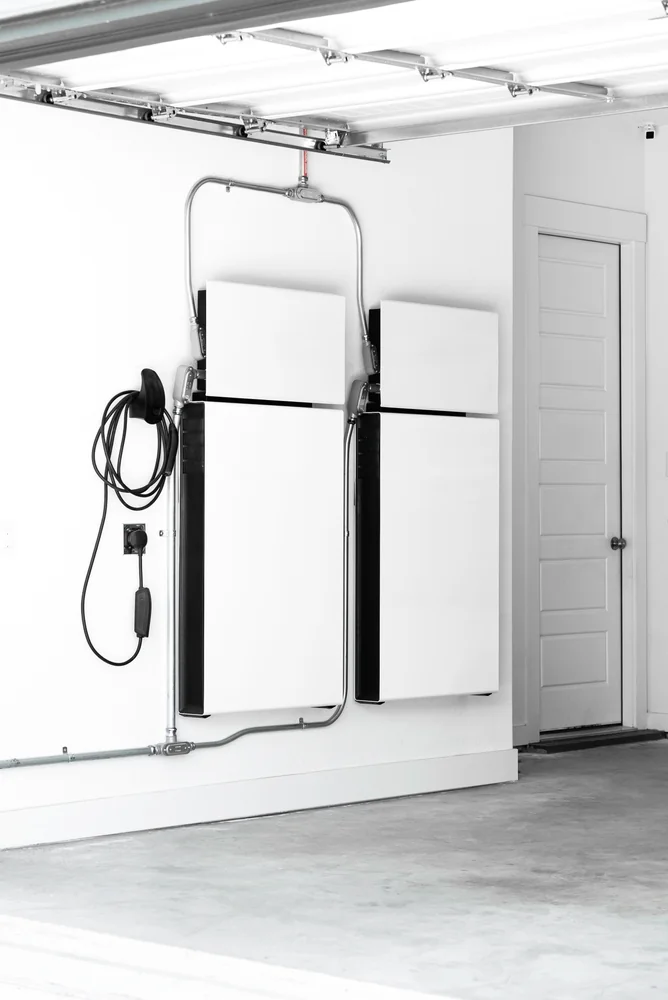
Battery storage sits quietly in the background but plays an active role every day. It captures unused power and releases it when household demand rises later on. Understanding the basics makes it easier to choose a size that supports savings instead of limiting them. A clear picture of how each part works together helps avoid common sizing mistakes.

How Solar Panels and Inverters And Batteries Interact

The panels generate power during daylight hours and send it to the inverter for conversion into usable electricity. Any excess energy that is not used immediately can be stored for later use rather than exported back to the grid. This interaction allows homes to rely more on stored energy once the sun goes down.

  • The inverter manages the flow of power between generation usage and storage throughout the day. It ensures the battery is charged efficiently while still supplying power to the home.
  • Batteries store unused energy so it can be used during peak evening periods. This reduces the need to draw expensive electricity from the grid.
  • The system prioritises household needs first before sending energy to storage or export. This balance helps improve overall efficiency and comfort.

What Battery Capacity (kWh) Actually Means

Battery capacity is measured in kilowatt hours and represents how much energy can be stored. It does not reflect how much power is produced but how long stored energy can support household use. A clear understanding of capacity helps match storage to real demand.

  • A higher capacity allows more energy to be stored for evening and overnight use. This helps cover cooking, lighting and entertainment loads.
  • Smaller capacities may fill quickly and leave excess energy unused. This can limit savings potential during high production days.
  • Capacity should align with typical daily usage rather than occasional peak days. This keeps costs controlled and performance consistent.

Why Battery Size Impacts Your Energy Bills

Battery size directly affects how much grid power is needed each day. A well-matched size reduces reliance on high-cost electricity during peak periods. Over time this can make a noticeable difference to monthly bills.

  • Larger storage allows more self-generated energy to be used on site. This lowers grid purchases during evenings.
  • Smaller storage may run out quickly and force grid use earlier in the night. This reduces the benefit of having storage.
  • The right size helps smooth out daily energy costs. This leads to more stable and predictable bills.

Calculate The Battery Size You Actually Need

Choosing storage should be based on real data rather than assumptions. Usage patterns and production levels matter more than property size alone. A realistic assessment prevents overspending or disappointment later. Careful planning here supports long-term value.

Assessing Your Daily Energy Usage

Daily usage provides a baseline for how much stored energy may be needed. Reviewing bills or monitoring data helps identify typical consumption levels. This step brings clarity to sizing decisions.

  • Average daily usage shows how much energy is consumed outside daylight hours. This highlights how much storage could be useful.
  • Seasonal changes can affect usage patterns throughout the year. Heating and cooling loads should be considered.
  • Understanding usage habits helps set realistic expectations. This avoids choosing a size that rarely gets fully used.

Matching Storage to Solar Panel Output

Storage works best when it can be charged consistently. Panel output determines how much energy is available to store each day. Balancing generation and storage helps maximise efficiency.

  • Panels must produce enough excess energy to charge the battery regularly. Without surplus generation, storage remains underused.
  • Oversized storage may struggle to fill during shorter winter days. This reduces return on investment.
  • Matching output and capacity ensures the battery works effectively year-round. This improves reliability and savings.

How To Avoid Common Problems: Oversizing vs. Undersizing

Both oversizing and undersizing can reduce overall value. The goal is to find a practical middle ground based on usage and production. Avoiding extremes keeps costs aligned with benefits.

  • Oversized storage increases upfront costs without guaranteed savings. Much of the capacity may remain unused.
  • Undersized storage fills quickly and offers limited evening coverage. This leads to continued grid reliance.
  • A balanced size supports daily needs without unnecessary expense. This approach delivers steady performance.

Factors That Influence The Best Battery Size For Your Home

Every household has unique needs that affect storage requirements. Lifestyle preferences and tariff structures all play a role. Understanding these factors helps refine sizing decisions. This ensures storage supports both comfort and savings.

Your Tariff Type: Flat Rate or Time of Use or Demand

Electricity tariffs influence how valuable stored energy can be. Some tariffs reward self-consumption more than others. Storage size should reflect how pricing works.

  • Time-based pricing makes evening usage more expensive. Storage helps offset these higher costs.
  • Flat rate pricing offers consistent costs throughout the day. Storage still provides benefits, but savings may be lower.
  • Demand-based tariffs reward reduced peak usage. Batteries help smooth demand spikes.

Whether You Want Backup Power During Outages

Backup capability changes storage needs significantly. Homes seeking outage protection often require larger capacity. This adds resilience but also increases costs.

  • Backup power supports essential appliances during outages. Capacity should match priority loads.
  • Smaller storage may only cover lighting and refrigeration. Larger systems support more comfort.
  • Clear expectations help determine how much backup is needed. This avoids unnecessary oversizing.

How Your Household’s Day/Night Usage Patterns Affect Size

Usage timing matters just as much as total consumption. Homes active in the evenings benefit more from storage. Understanding these patterns improves sizing accuracy.

  • Evening heavy households rely more on stored energy. Larger capacity can provide better coverage.
  • Daytime usage reduces the need for large storage. Much of the energy is used as it is produced.
  • Lifestyle habits shape how storage is used each day. Matching size to routine improves satisfaction.

Choosing A Battery That Maximises Long-Term Savings

Long-term savings come from balance rather than size alone. The right choice supports efficiency with flexibility and future needs. Storage should adapt as habits change. Thoughtful selection helps maintain value over time.

Recommended Size Ranges For Different Households

General size ranges provide a useful starting point. These ranges help narrow options without locking into a fixed number. Adjustments can then be made based on individual needs.

  • Smaller households often perform well with modest capacity. This covers evening use without excess.
  • Medium households benefit from balanced storage that supports multiple appliances. This offers strong self-consumption.
  • Larger households may require greater capacity to meet higher demand. Careful planning keeps costs controlled.

When a Larger Battery Makes Financial Sense

Bigger storage is not always wasteful if conditions support it. Certain households gain more from increased capacity. Timing and usage patterns matter here.

  • Homes with high evening usage benefit from larger storage. This reduces expensive grid purchases.
  • Properties with a strong generation surplus can fill larger batteries consistently. This improves returns.
  • Future lifestyle changes may justify extra capacity. Planning ahead can avoid later upgrades.

How Monitoring Apps Help You Fine-Tune Performance

Monitoring tools provide valuable insight into daily performance. They help track usage or charging and savings trends. This data supports ongoing optimisation.

  • Apps show how much energy is stored and used each day. This builds awareness of habits.
  • Performance tracking highlights opportunities to adjust usage. Small changes can improve results.
  • Long-term data helps assess whether capacity remains suitable. This supports informed decisions.

Choosing the right storage size is about understanding real needs rather than chasing the biggest option available. A balanced approach supports daily comfort while keeping costs sensible. When storage aligns with usage patterns, savings feel consistent and predictable. This leads to greater confidence in energy choices.

Platinum Solar Group concentrates on matching storage to how homes actually operate. Thoughtful sizing helps households make the most of their investment without unnecessary expense. Over time the right choice supports lower bills and better energy independence.

Download
Arrow icon