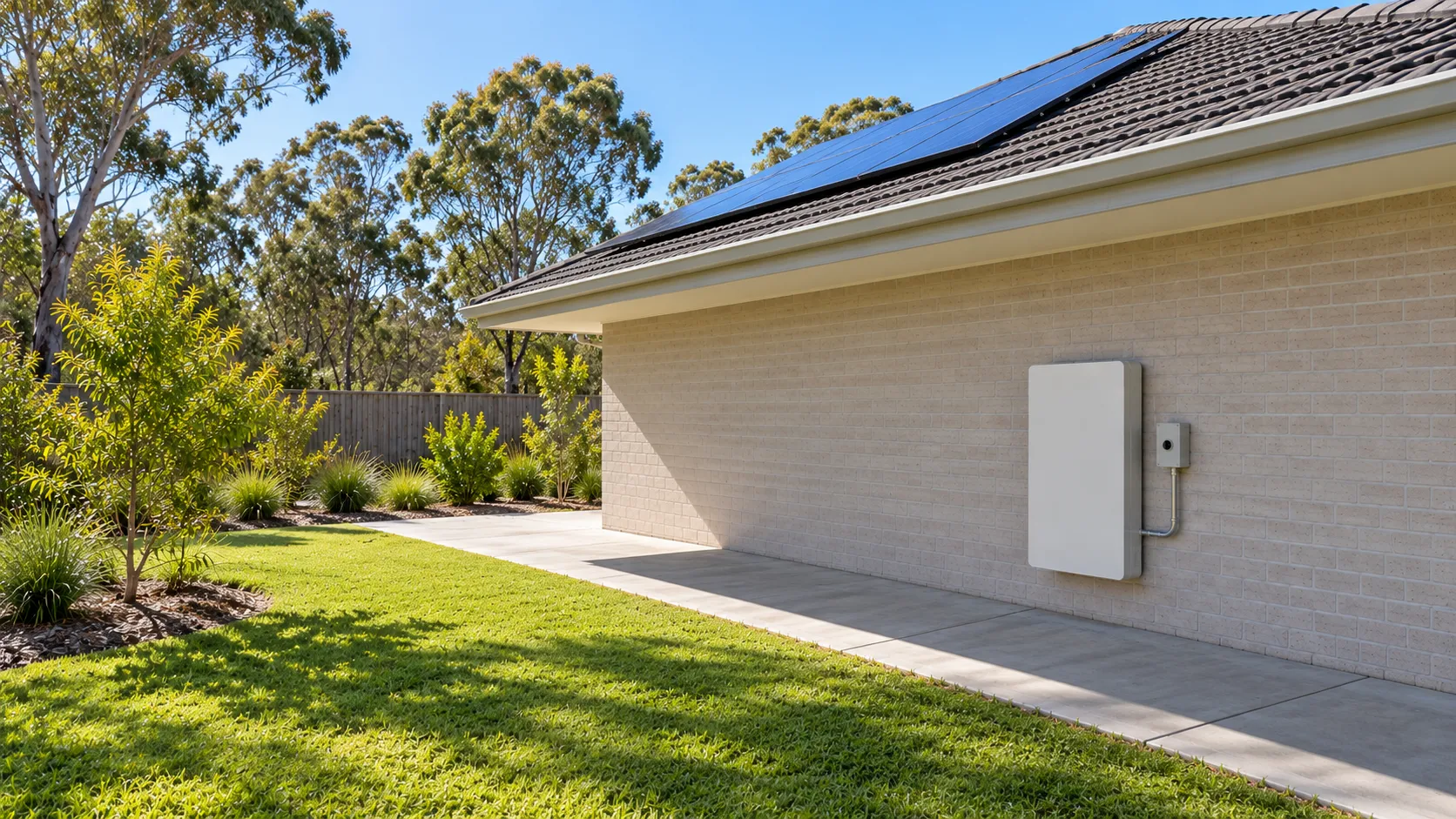
A home battery can keep supplying a household after sunset, but will it make enough noise to disturb sleep? This is an important consideration when choosing equipment, particularly if the proposed installation is close to a bedroom or neighbouring property. The amount and type of noise depend on the battery design, cooling system, associated inverter and overnight operating conditions.
Platinum Solar Group helps explore solar and battery solutions suited to their properties and energy needs. When considering a home battery installation in Sydney, acoustic performance deserves attention alongside storage capacity, system compatibility and expected energy savings.
This article explains the sounds a home battery may produce, why they can become more noticeable at night and how to compare published noise specifications. It also covers installation considerations and questions to ask a supplier before committing to a system.
Home battery noise can include airflow, a low hum or occasional clicking, depending on the equipment design and operating conditions. Some systems use passive cooling and have few moving parts, while others rely on fans to manage heat.
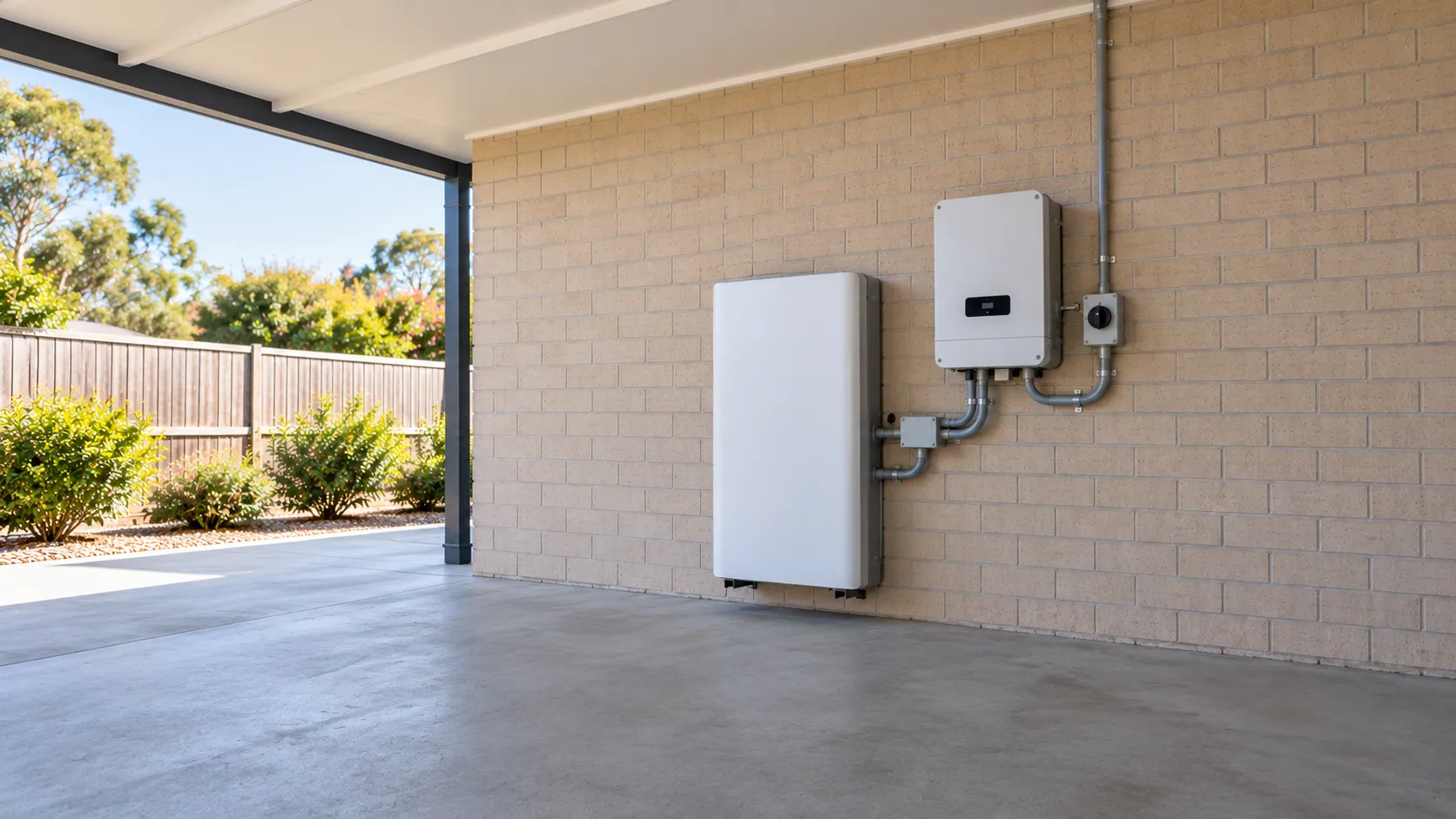
The battery enclosure is not always the source of the sound. The inverter, which converts electricity between different forms for storage and household use, may produce noise separately or as part of an integrated unit. Identifying the components involved helps homeowners compare systems more accurately.
Batteries and inverters generate heat during operation. Some equipment dissipates heat through its enclosure, while other designs use fans to move air. Fan noise may be absent from one system but noticeable on another and fans do not necessarily run continuously.
Fan noise often resembles a steady rush of air. Its volume and character can change with temperature, electrical demand and the equipment's cooling requirements. A system supplying several household appliances may operate differently from one handling a lighter load.
Solar inverter noise can include a low hum or a higher-pitched tone associated with power conversion. Whether this is noticeable depends on the model, operating state and surrounding environment. With an integrated battery and inverter, distinguishing between the two sound sources may be difficult without checking the manufacturer's documentation.
Some systems also produce brief clicking sounds when internal components switch between operating states. An occasional click is not automatically a sign of a fault. However, persistent clicking or sounds that differ from the manufacturer's description should be assessed by a professional.
Cooling design, enclosure construction and power conversion components all influence a system's acoustic performance. Two batteries with similar storage capacities can produce different sounds, even when installed in comparable locations.
Battery chemistry alone does not determine how noisy a complete system will be. When comparing battery technologies, acoustic performance should be assessed separately for each model, including its associated inverter and cooling equipment.
Homeowners should ask the supplier which components can produce sound, whether cooling is passive or fan-assisted and when fans are likely to operate. It is also worth checking which sounds the manufacturer considers normal during charging, discharging and standby operation.
These details provide a more reliable basis for comparison than a general assurance that a battery is quiet. They also help establish realistic expectations for the proposed installation.
A home battery does not necessarily become inactive when solar panels stop generating electricity. It can continue supplying stored energy to the household after sunset, while some systems can also be configured to charge from the electricity grid overnight.
At the same time, traffic, conversation and other everyday sounds often decrease at night. Equipment noise that blends into the daytime background can become more noticeable in a quiet bedroom, even if the system is operating at a similar sound level.
During evening discharge, the battery supplies stored electricity to household appliances through the relevant power conversion equipment. Demand changes as appliances switch on and off and cooling requirements may change with the system's temperature and operating conditions.
Cooking, air conditioning and other high-demand activities can affect how the equipment operates during the evening. The system may also retain heat after a hot day, meaning its cooling fans could continue running even as outdoor temperatures fall.
Overnight grid charging introduces another operating condition to consider. If the system is configured to charge during off-peak periods, some components may remain active while the household sleeps. However, not every battery charges from the grid overnight and charging does not automatically mean the system will produce noticeable noise.
Homeowners should ask how the proposed system will operate under their intended charging schedule, including which components remain active after dark. For retrofits, the existing solar inverter may also contribute to the overall sound profile.
Reading about adding a battery to an existing solar system can help identify compatibility questions. A supplier should also explain how the existing equipment and proposed battery will work together during overnight operation.
The perceived noise level depends partly on the difference between equipment noise and the sounds already present in the environment. A faint hum near a busy living area may be barely noticeable during the day but more distracting besides a quiet bedroom at night.
The sound's character matters as well. A steady airflow noise may be less noticeable to some people than a distinct tone or repeated change in fan speed. Individual sensitivity and the room's acoustic characteristics can influence the experience.
In homes with narrow side access, outdoor equipment may sit close to bedroom windows, boundary fences or neighbouring properties. Hard walls and other nearby surfaces can reflect sound towards windows and outdoor living areas, while the distance and position of openings influence how readily noise reaches indoor spaces.
Homeowners should identify nearby bedrooms and neighbouring windows during the site assessment. Window-opening habits and unusual sleeping schedules may also affect the most appropriate installation location. These details help the supplier assess the conditions that matter to the household rather than relying solely on a daytime demonstration.
NSW EPA’s guidance on neighbourhood noise explains why the timing and character of equipment noise matter when considering its effect on neighbours.
Published noise specifications provide a useful starting point when comparing home batteries, but they cannot predict exactly what someone will hear from their bedroom. Their value depends on the measurement method, operating conditions and components included in the rating.
The proposed installation also needs to be considered. The same equipment can sound different at two properties because of variations in distance, reflective surfaces, room openings and background noise.
A decibel figure is difficult to interpret without knowing how it was measured. Important details include the measurement distance, operating load, cooling fan activity and whether the result represents typical operation or a maximum under specified test conditions.
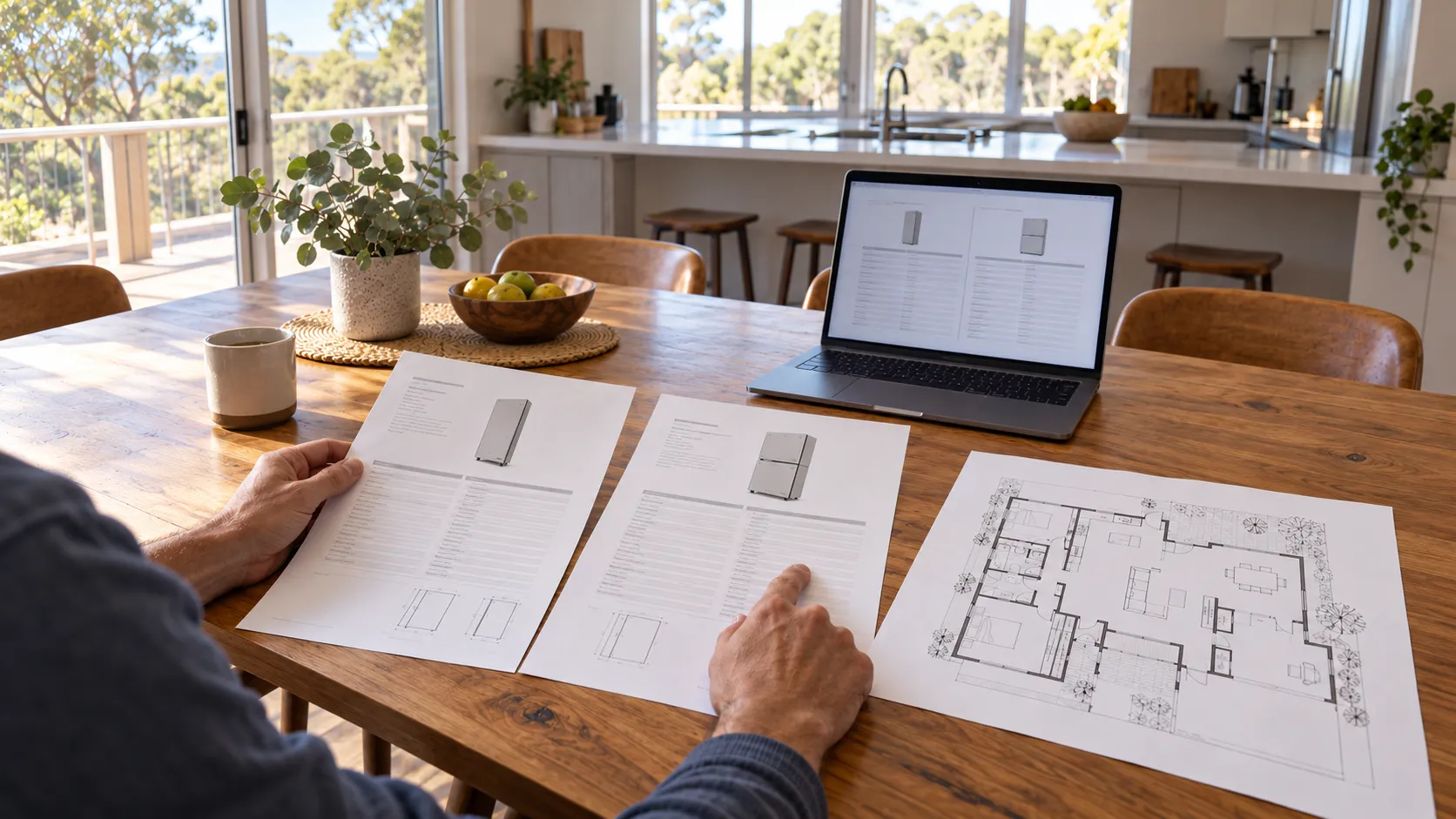
Homeowners should also check whether the figure covers the battery enclosure, inverter or complete system. If several components can produce noise, a rating for just one does not describe the acoustic performance of the entire installation.
The type of measurement matters. Sound pressure level describes the sound measured at a specific position, while sound power level describes the acoustic output of the source itself. These measurements are related but are not interchangeable, so their values should not be compared as though they represent the same thing.
A rating expressed in dB(A) uses frequency weighting intended to reflect aspects of human hearing. However, a single number does not fully describe the character of a sound, including whether it contains a distinct tone that may be noticeable in a quiet room.
Ask the supplier for the manufacturer's acoustic documentation and check whether competing models were tested under comparable conditions. If the measurement distances or operating loads differ, the headline figures may not provide a fair comparison. Missing information should be acknowledged rather than replaced with an unsupported promise of silent operation.
A useful site assessment connects the manufacturer's specifications to the property's layout. The supplier should consider the distance between the equipment and nearby bedrooms, the position of windows, reflective walls and the potential for vibration to travel through mounting surfaces.
When discussing solar battery installation, homeowners can ask for model-specific acoustic information and an assessment that considers nearby living spaces and neighbouring properties. The proposed location should also meet the equipment manufacturer’s requirements and applicable battery installation requirements.
Rather than asking only whether a system is quiet, ask specific questions such as, "What sounds could this model produce during overnight charging and how has the proposed location been assessed in relation to the bedroom window?"
A recording or demonstration can recognise the sound produced by a particular model, but it cannot guarantee the noise level at the property. Playback volume, distance and the listening environment all affect what is heard.
Before committing to a system, ask the supplier to distinguish between documented manufacturer specifications, site-specific assessments and any remaining uncertainties. If the property has sensitive sleeping areas or close neighbouring windows, specialist acoustic advice may also be appropriate.
Acoustic comfort is best addressed during equipment selection and installation planning. Choosing a suitable model and location from the outset can help reduce potential disturbances without compromising cooling, access or electrical safety.
Also, distinguish expected operating sounds from unusual changes. A fan operating under heavier demand may be normal for a specific model, whereas new rattling, persistent unusual noise or a fault alert may require professional investigation.
Start by comparing the cooling arrangements and acoustic specifications of suitable systems. Where fans are used, ask what conditions activate them and whether they operate during overnight charging or periods of high household demand. Even batteries with passive cooling may be accompanied by an inverter that produces audible noise.
A licensed professional can assess the proposed equipment location while ensuring the installation meets the manufacturer's requirements. Relevant considerations include nearby windows, reflective walls, mounting surfaces and the potential for vibration to transfer into adjoining structures.
Some battery systems may offer manufacturer-supported settings that change charging behaviour, power output or cooling operation. These features vary by model, so homeowners should not assume that a quieter mode is available. If one exists, ask how it works and whether it affects charging speed, available power or other aspects of performance.
Charging schedules may also be worth reviewing if overnight operation contributes to a noise concern. Any changes should be assessed against the household's energy requirements and the system's operating instructions. Protective functions should never be disabled to reduce noise.
Homeowners should not build homemade enclosures around batteries or inverters, cover ventilation openings, relocate equipment themselves or open electrical covers. An improvised barrier can restrict airflow, trap heat or interfere with required access. Any acoustic treatment must be assessed and compatible with the equipment's cooling and installation requirements.
Once a system is operating, changes in sound can provide useful information about its condition. A fan that runs during heavier demand may be expected, but new rattling, persistent unusual sounds or a fault alert should prompt contact with a professional.
Homeowners can record their observations without touching the equipment. Note when the noise occurs, how long it lasts and whether it coincides with charging, household demand or an alert shown through the system's normal monitoring interface. Describing the sound as humming, airflow, clicking or rattling can help the professional narrow down the possible cause.
For further information about safe troubleshooting, read about professional solar system repairs. Platinum Solar Group can compare the reported sound with the model's expected operating behaviour and investigate potential cooling, mounting or equipment issues.
Electrical testing, repairs and changes to installation settings should remain with a qualified expert. Addressing unusual sounds early can help identify developing problems while protecting the system's performance and safe operation.