As electricity use grows, many homeowners wonder whether they can add more panels to their existing solar system. New appliances, electric vehicles and changing household needs can mean an older system no longer generates enough power. For those considering a solar installation in Sydney, expanding an existing system can be a practical way to increase solar generation without replacing everything.
However, adding panels involves more than simply using available roof space. Inverter capacity, panel compatibility, roof area, electrical infrastructure, network requirements and future energy needs all need to be considered to ensure the expansion is suitable and compliant.
Platinum Solar Group helps assess existing systems and determine whether additional panels, an inverter upgrade or a complete system upgrade is the most suitable option. Understanding the considerations can make it easier to plan an expansion, identify potential limitations and choose a solution that delivers reliable long-term performance.
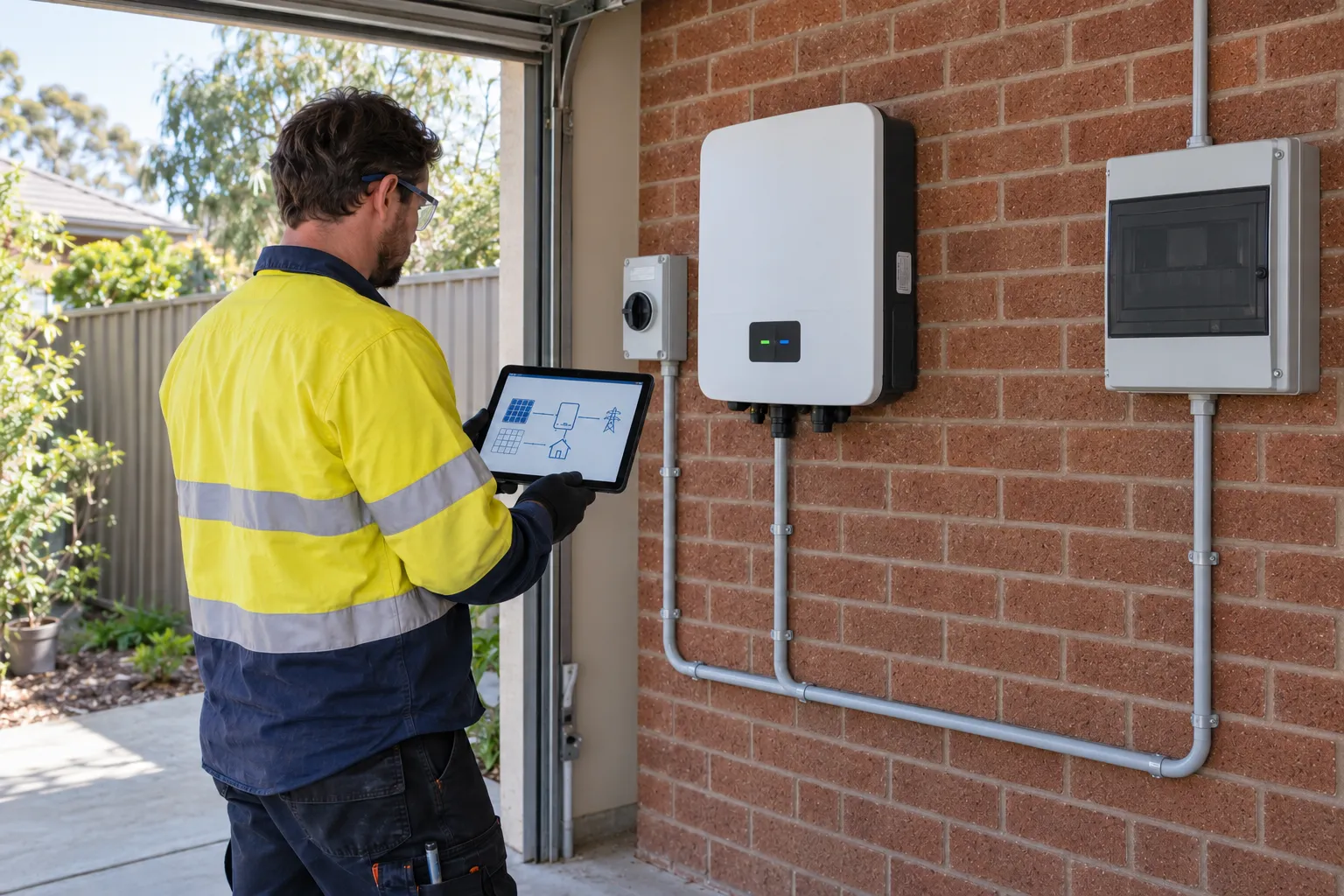
Your existing inverter may support additional solar panels, but this depends on its maximum DC input capacity, voltage and current limits, available inputs and the requirements of the local electricity network. The inverter’s AC rating alone does not determine how many panels can be added, as many models allow a degree of DC oversizing.
Before expanding the system, an installer should check:
The existing inverter can only support more panels if the complete electrical configuration remains within its technical and network limits. An assessment can determine whether the current inverter can be retained or should be upgraded.
Yes. There must be enough suitable roof area for the additional panels, while their size, orientation and electrical characteristics need to work with the existing system.
Available space is not simply the total roof area. Shading, roof features, access requirements, orientation and roof condition can all reduce the area suitable for panels. New modules also do not necessarily need to match the original panel’s brand, but their electrical characteristics must be suitable for the proposed configuration.
The Australian Government’s rooftop solar guidance explains how roof space, orientation and shading can influence system size, panel layout and expected energy generation.
An installer should consider:
The aim is not simply to find unused roof space but to ensure the additional panels can operate safely and efficiently as part of the overall system.
Yes. Solar systems can be subject to system size and export limits set by the local electricity distributor. These requirements can affect how much additional solar capacity can be installed and how much surplus electricity can be exported to the grid.
Understanding solar system size limits in Sydney can help homeowners plan an expansion around local inverter, connection and export restrictions.
The applicable requirements depend on the property's connection, existing system and network conditions. A larger expansion may require network approval, while export restrictions can limit how much excess electricity is sent back to the grid. In some circumstances, a lower export limit or zero-export configuration may be required.
The NSW Government advises that homeowners must obtain approval from the electricity network owner before connecting or expanding a grid-connected solar system, with limits potentially applying to system size and electricity exports.
Before adding panels, the property's phase supply, existing inverter capacity and current export arrangements should be checked with the relevant distributor. A qualified installer can assess these requirements and arrange any necessary approvals.
Not always. Whether upgrades are required depends on the condition and capacity of the existing electrical system, roof and mounting structure.
The installer should check:
If existing infrastructure is unsuitable, electrical upgrades, cabling changes, mounting modifications or roof repairs may be required before additional panels can be installed. Where several components are outdated, redesigning or replacing more of the system may provide better value.
Adding more solar panels can increase a home's solar generation without necessarily replacing the entire system. This can be useful when electricity consumption has increased or when homeowners want to make greater use of solar energy for existing and future appliances.
A larger array can generate more electricity during daylight hours, helping meet household demand and reducing reliance on grid electricity. This can be useful for homes with higher daytime consumption from air conditioning, pool pumps, an electric hot water or home offices.
Additional generation can help households use more solar power directly when energy-intensive appliances are operated during daylight hours. Extra capacity can also help accommodate an EV, electric hot water system, heating or cooling without relying as heavily on grid electricity.
Expanding the system can help accommodate future changes. Planning around these requirements can help avoid unnecessary modifications later, provided the proposed system remains compatible with the inverter, roof and network connection.
Before expanding an existing solar system, the entire installation should be assessed rather than simply looking at available roof space. A useful starting point is to review the original system documentation and confirm the equipment currently installed.
Checking should include:
If original documentation is unavailable, an installer can inspect the existing equipment and establish the relevant specifications as part of the assessment. The goal is not simply to add the maximum number of panels but to create a system that works effectively with the existing infrastructure and remains suitable for future energy needs.
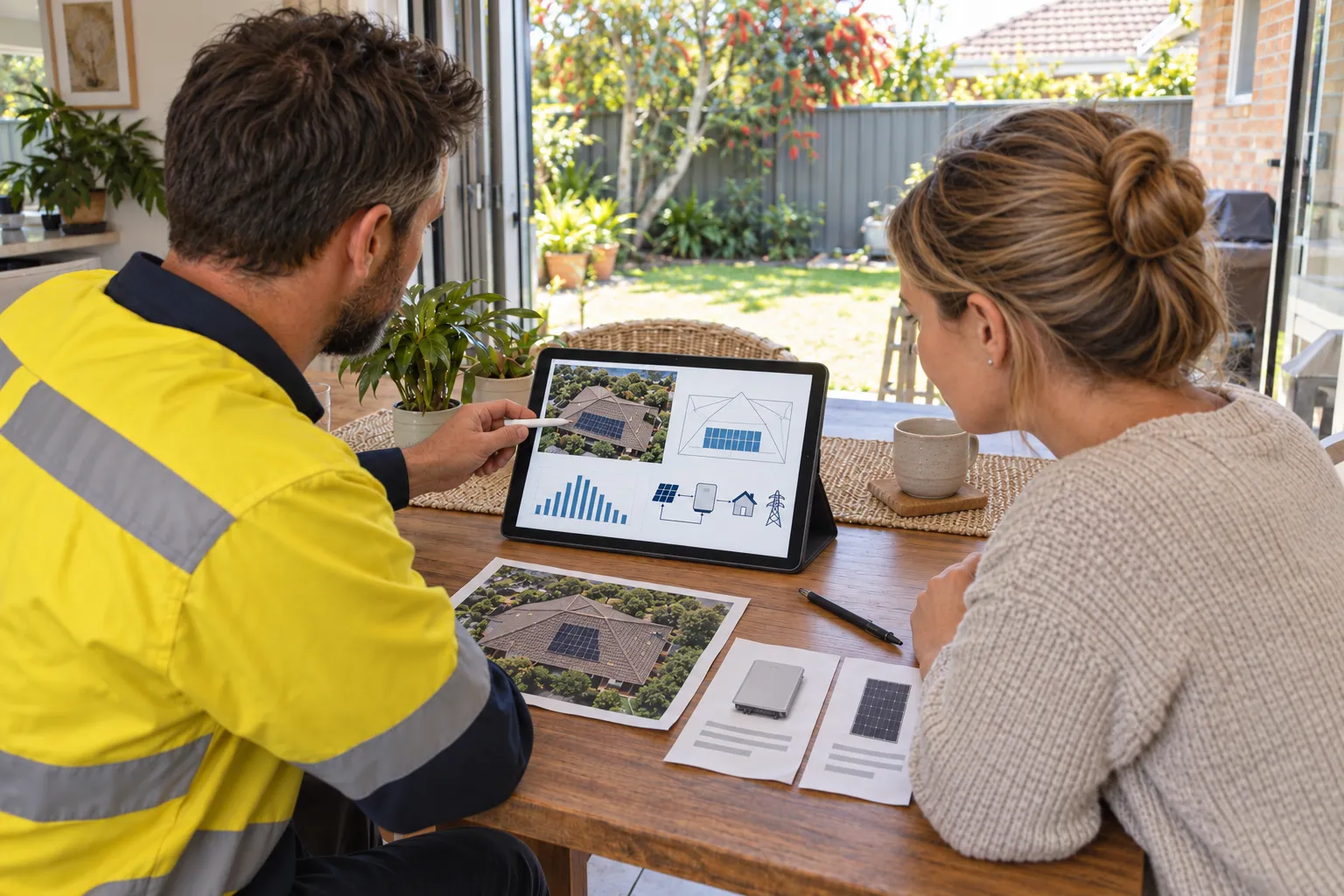
The right choice depends on the condition and capacity of the existing system and how much additional generation is required. Adding panels can be a cost-effective option when the current equipment is relatively modern, reliable and capable of supporting additional capacity. An inverter or full system upgrade may be more suitable when existing components are ageing, underperforming or limiting the proposed expansion.
Adding more panels may make sense when:
An inverter or full system upgrade may be more suitable when:
Because solar systems lose performance over time, existing panels and inverters should be assessed before deciding whether an expansion will provide good long-term value.
The age of the system is important. Adding panels to an older installation may increase generation in the short term, but it may not provide good value if the inverter or other components are likely to require replacement soon. In some cases, higher-efficiency panels and a modern inverter can provide greater capacity while making better use of the available roof space.
Adding more solar panels can be a practical way to increase energy generation, but the best approach depends on the existing system’s capacity, condition and compatibility. Inverter limits, roof space, electrical infrastructure, panel compatibility and network requirements all need to be assessed to determine whether an expansion, inverter upgrade or complete system redesign offers the best long-term value.
Platinum Solar Group can assess the existing system and recommend a suitable path based on current and future energy needs. With careful design and professional installation, additional solar capacity can improve energy generation while ensuring the system remains safe, compliant and reliable.


.webp)

.webp)