Many property owners in Sydney are surprised to learn that solar installation in Sydney is not approved based purely on roof space or budget. In reality, there are firm limits in place that can affect how much system capacity is approved, even when a property appears ideal for a larger setup. These limits commonly relate to inverter size, export capacity, or both, and they are set by local electricity networks rather than installers.
At Platinum Solar Group, we regularly see confusion when homeowners expect one system size but receive a different approval outcome. These limits are not arbitrary and they are not designed to restrict good installations. Understanding how and why system size caps apply makes it far easier to plan a solar installation in Sydney that performs well from day one, without redesigns, approval delays, or unexpected reductions.

Solar system size limits exist to protect the stability of the local electricity network and the homes connected to it. Much of Sydney’s grid infrastructure was built long before rooftop solar became widespread. It was originally designed for electricity to flow in one direction only, from the grid to the property.
As solar installation in Sydney has increased, large volumes of electricity can now flow back into local networks at the same time, particularly during the middle of the day. When export levels exceed what the network can safely handle, voltage levels rise beyond acceptable limits. This can cause inverter shutdowns, power quality issues, and strain on network equipment.
System size and export limits are used to manage these risks. They allow solar to continue expanding across Sydney while maintaining reliable power supply across the wider network. How these limits are applied in practice depends heavily on the capacity of the local network in each suburb.
Network capacity varies significantly across Sydney, and this plays a major role in how solar installation in Sydney is approved. Some suburbs have already reached high levels of rooftop solar uptake, while others still have spare capacity available. Where uptake is high, network operators apply stricter limits to prevent overload and voltage instability.
At Platinum Solar Group, we see this most often in established suburbs with older infrastructure. Local transformers have fixed limits on how much electricity they can safely manage, particularly when power is being exported back into the grid. Once those limits are approached, new solar applications are capped to protect both the equipment and nearby homes.
Older suburbs are often more sensitive to export because their infrastructure was never designed for two-way energy flow. In rapidly growing areas, demand can increase faster than network upgrades can be completed, which also leads to conservative approvals. In these cases, size limits act as a control measure until broader upgrades are carried out.
This approach helps maintain stable voltage and supply quality across entire neighbourhoods. While it can feel restrictive on an individual level, it reduces the risk of outages, inverter shutdowns, and power quality complaints affecting multiple properties.
Export limits control how much excess electricity a solar system is allowed to send back into the grid at any given time. For many homes, these limits have a greater impact on approval outcomes than roof size or panel capacity. Even when panels are capable of producing more power, the approved export limit still applies.
For solar installation in Sydney, network operators often manage export by restricting inverter output rather than total panel capacity. This means a system may be approved with a larger panel array but a smaller inverter, or with software settings that limit how much energy can be exported. These settings are applied to ensure compliance with local network rules.
Inverter size restrictions help keep voltage levels within safe operating ranges on local streets. When export is not controlled, voltage rise can cause inverters to shut down automatically, reducing output and affecting nearby properties. Limiting inverter output reduces these risks and supports stable power quality.
Export caps can vary by location, connection type, and network operator. Two homes in the same suburb can receive different approvals depending on existing network demand at the time of application. Understanding these limits early allows system design to focus on usable energy rather than excess capacity that cannot be exported.
Solar installation in Sydney is governed by different electricity network operators depending on location. Ausgrid and Endeavour Energy manage separate regions, and each applies its own technical standards, approval processes, and upgrade timelines. These differences directly influence the system sizes and export limits that are approved.
Each network operator assesses capacity using its own data on transformer loading, voltage performance, and solar uptake. Areas with older infrastructure or higher concentrations of existing solar systems are often subject to more conservative limits. In contrast, regions with newer equipment or planned upgrades may allow larger systems under the same policy framework.
Investment and upgrade schedules also vary between operators. Some areas have network improvements planned in the near term, while others may not see upgrades for several years. Approval limits reflect these timelines and are adjusted as infrastructure changes. Policy updates are also introduced at different times, meaning one area may benefit from revised rules sooner than another.
While these differences can feel inconsistent, they reflect local network conditions rather than arbitrary decision making. Understanding which operator applies to a property helps set realistic expectations during the planning stage and reduces the risk of redesign or approval delays.
Beyond network rules, each property has characteristics that influence what can be approved. For solar installation in Sydney, factors such as the type of electrical supply, existing equipment, and physical connection to the network all play a role. This is why two neighbouring homes with similar roof space can receive very different approval outcomes.
Approvals are based on how a property interacts with the local network, not just how much power it can generate. Electrical configuration and connection quality affect voltage behaviour during export. These technical details often matter more than panel count or roof orientation when system size is assessed.
A proper site assessment looks at the entire electrical setup rather than isolating solar components. Understanding these factors early helps avoid approval delays, unexpected reductions, or the need for costly redesigns after an application is submitted.
The type of electrical supply connected to a property has a direct impact on how much solar capacity can be approved. For solar installation in Sydney, this is one of the most influential factors in determining inverter size and export limits. Single phase and three phase supplies interact with the network in very different ways.
Single phase connections export electricity through one line only. This concentrates voltage rise on a single phase and increases the risk of exceeding allowable limits. As a result, network operators often apply tighter inverter and export caps to single phase properties, even when roof space is not a constraint.
Three phase supplies distribute exported energy across three lines. This spreads load more evenly and reduces voltage rise on any single phase. Because of this, three phase properties are often approved for larger systems or higher total export limits. However, approval still depends on local network capacity and existing demand.
Upgrading from single phase to three phase power is sometimes possible, but it involves additional cost, approvals, and changes to on site infrastructure. It is not always practical or cost effective. In many cases, the most sensible approach is to design a system that performs well within the limits of the existing supply.
The condition and layout of existing infrastructure on and around a property play a major role in solar approval outcomes. For solar installation in Sydney, factors such as switchboard condition, service cable length, and shared network assets can all influence how much capacity is approved. These constraints are often outside the homeowner’s direct control.
Long service cable runs between the street and the property can increase voltage rise when solar energy is exported. This can result in tighter inverter or export limits, even in areas where overall network capacity appears available. Older or non compliant switchboards may also require upgrades before approval is granted, affecting both timing and cost.
Shared infrastructure adds another layer of complexity. Multiple properties may rely on the same transformer, and high solar uptake nearby can reduce the capacity available for new systems. In these cases, approvals are assessed based on the combined impact of all connected properties, not just the individual application.
A detailed site assessment helps identify these issues early. Understanding local infrastructure conditions reduces the risk of delays during the approval process and ensures system design aligns with what the network can support.
Solar approvals are not assessed in isolation. For solar installation in Sydney, network operators consider the combined impact of all systems connected to the same local infrastructure. High concentrations of solar within a street or suburb place additional pressure on shared transformers and distribution lines.
When many systems export power at the same time, usually during the middle of the day, voltage levels can rise quickly across the network. Streets with a high number of existing installations often reach export limits sooner, which leads to stricter conditions for new applications. This is why approvals can become more conservative as uptake increases.
Timing also plays a role. Properties that installed solar earlier may have received higher approvals because the local network had more spare capacity at the time. As demand grows, approval settings are adjusted to prevent instability. This can result in neighbouring homes having noticeably different system sizes or export limits.
Understanding neighbourhood demand helps explain why approvals can vary even between nearby properties. It also highlights why system design needs to account for current conditions rather than relying on what others were approved for in the past.
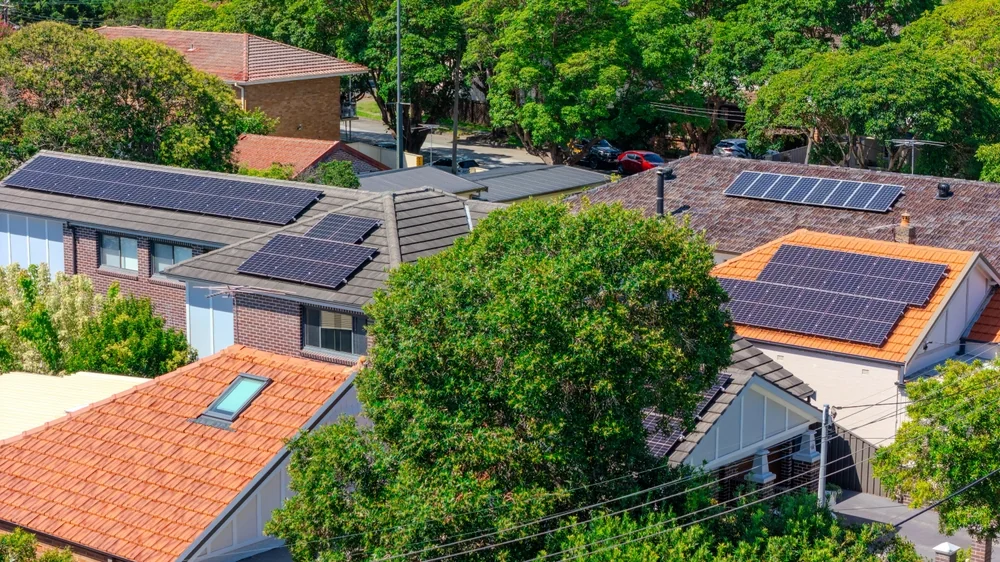
Restrictions on system size do not mean a solar installation will perform poorly. For solar installation in Sydney, many of the highest performing systems are designed around network limits rather than fighting against them. The focus shifts from maximising raw capacity to using generated energy more efficiently.
When export is capped, the value of a system depends on how much electricity is used on site. Designing around household or business usage patterns often delivers better financial outcomes than installing a larger system that cannot export excess energy. This approach also reduces the risk of inverter shutdowns caused by voltage rise.
A restricted approval encourages smarter system design. By matching generation to demand and planning for future flexibility, it is still possible to achieve strong savings and reliable performance under tight network conditions.
Maximising self consumption is one of the most effective ways to improve performance when export limits apply. For solar installation in Sydney, using generated electricity on site often delivers greater value than exporting it back to the grid at limited rates. System design should reflect how and when energy is actually used.
Panel layout can be adjusted to spread generation across the day rather than concentrating output into a short midday peak. This reduces export spikes and increases the proportion of energy that can be consumed on site. Matching system output to daily usage patterns improves efficiency without increasing approved capacity.
Household appliances and equipment can also be scheduled to operate during high production periods. Running hot water systems, pool pumps, or commercial loads during the day captures more value from each unit generated. Even with a smaller approved system, self consumption focused design can cover a significant portion of daytime energy needs.
Designing for self consumption reduces reliance on export approvals and improves long term performance. It also aligns well with future changes to tariffs and network rules.
Battery storage can significantly improve system performance when export limits restrict how much energy can be sent back to the grid. For solar installation in Sydney, batteries allow excess generation to be stored rather than curtailed, increasing the amount of usable energy produced by the system.
When export is capped, surplus energy that cannot be sent to the grid is often reduced by the inverter. A battery absorbs this excess generation and stores it for later use. Stored energy can then be used during evening peak periods when grid electricity is more expensive, improving overall savings and reducing reliance on the network.
Battery storage also helps smooth energy flow. By reducing sharp export spikes during peak production, batteries support compliance with network rules and can improve system stability. This can be particularly valuable in areas with tight export caps or high local solar uptake.
While batteries add to upfront system cost, they often unlock greater long term value under restricted approvals. Storage also provides flexibility for future tariff changes and evolving network requirements.
Careful panel layout and inverter selection can significantly improve system performance without increasing approved capacity. For solar installation in Sydney, how a system produces energy across the day often matters more than its peak output. Thoughtful design helps reduce export constraints and maximise usable generation.
Distributing panels across different roof orientations spreads energy production over a longer period. This reduces midday export spikes and increases the proportion of energy that can be used on site. East and west facing arrays, for example, can better align generation with morning and afternoon demand.
Inverter features also play an important role. Modern inverters allow dynamic control of export and output levels based on network conditions. These settings help systems remain compliant while avoiding unnecessary shutdowns. Choosing an inverter that matches the approved capacity ensures energy is not wasted through oversizing or excessive clipping.
Optimising layout and equipment selection extracts more value from the same approval. It focuses on efficiency and stability rather than raw system size.
Solar rules, network capacity, and household energy use are not static. For solar installation in Sydney, planning for future changes helps protect the value of a system over its full lifespan. A design that allows flexibility avoids costly modifications later.
Network upgrades can increase allowable system sizes over time. Export limits that apply today may change as infrastructure improves or policies are updated. Designing a system with future expansion in mind makes it easier to take advantage of these changes when they occur.
Energy needs can also shift. Electric vehicles, heat pumps, and home electrification can significantly increase consumption. A system that is adaptable can be adjusted to support higher on site usage without requiring a complete redesign.
Planning ahead ensures today’s system remains useful tomorrow. It balances current approval limits with long term opportunities.
Preparing a solar system for future expansion helps avoid unnecessary rework and expense. For solar installation in Sydney, it is common for export rules and network capacity to change over time. Designing with these changes in mind keeps options open.
Systems can be installed with space and wiring allowances for future battery storage. This makes it easier to add storage later without major electrical modifications. Allowing for additional protection devices and compatible inverter models can also simplify future upgrades.
Monitoring planned network upgrades is equally important. When local infrastructure is improved, higher export limits or larger system approvals may become available. A system that is already designed to accommodate expansion can take advantage of these changes quickly.
Modular system design allows capacity to be added in stages. This approach spreads costs over time and aligns system growth with changing rules and household energy needs.
Network approval rules play a major role in how solar installation in Sydney is designed and approved. Installers who understand these rules can design systems that align with network requirements from the outset, reducing the risk of rejected applications or forced redesigns.
Each network operator applies specific technical criteria around inverter sizing, export limits, and voltage control. Familiarity with these requirements helps ensure applications are submitted correctly the first time. This shortens approval timelines and avoids delays that can occur when systems are designed outside allowable limits.
Local knowledge also helps identify likely constraints before design is finalised. Understanding typical approval outcomes in different areas allows realistic expectations to be set early. This leads to smoother installations and systems that operate reliably within approved settings.
Working with professionals who understand network rules ensures compliance is maintained over time. As rules evolve, systems can be adjusted to remain aligned with current requirements.
Solar approval rules and network conditions continue to evolve as rooftop solar uptake increases. For solar installation in Sydney, staying informed about these changes helps ensure systems remain compliant and operate efficiently over the long term. What applies at the time of installation may not remain unchanged for the life of the system.
Network operators regularly review export limits, inverter settings, and technical standards as infrastructure is upgraded and demand patterns shift. These updates can affect how existing systems are allowed to operate. In some cases, settings may need to be adjusted to remain compliant. In other cases, new opportunities may become available as capacity improves.
Government policy changes can also influence system performance and planning decisions. Tariff structures, incentives, and compliance requirements can all affect how solar delivers value over time. Periodic system reviews help ensure settings align with current rules and household energy use.
Monitoring changes protects the long term performance of a solar system. It also allows timely adjustments that maintain compliance while maximising usable output.
Solar system size limits in Sydney exist to protect the local power network, not to restrict good installations. Once these limits are understood, planning a solar installation in Sydney becomes far more straightforward and predictable.
At Platinum Solar Group, we see that strong results come from smart design rather than maximum system size. Focusing on self consumption, compliant inverter settings, and future flexibility allows systems to perform well even under tight approvals.
With the right planning, current limits do not reduce long term value. They simply shape how a system should be designed from the start.


.webp)

.webp)