When considering solar to keep a home cool overnight, one of the first questions is whether a single battery can reliably run an air conditioner until morning. This is a practical concern that sits at the centre of real-world performance, system design and return on investment, especially when planning a solar battery installation. At Platinum Solar Group, this question often arises from homeowners aiming to balance comfort with rising nighttime energy costs.
This article explores how air conditioner power usage, battery capacity and broader household energy habits interact. It outlines how different system sizes affect overnight demand, what modern batteries can realistically supply and which configurations are most likely to meet expectations. The key considerations for system sizing are clear, making it easier to assess whether one battery is sufficient or if additional capacity is required for reliable overnight cooling.
An air conditioner’s overnight power use depends on its size, efficiency, how it is used and the local climate, but it can be estimated quite accurately. For solar and battery planning, the focus is usually on an 8- to 10-hour window covering the evening and night when the solar system is not producing.
Most modern split‑system air conditioners for a single room or living area use between 0.5 kW and 2.5 kW while running. Central or ducted systems can be higher. However, they do not draw full power continuously overnight because the compressor cycles on and off as the set temperature is maintained.
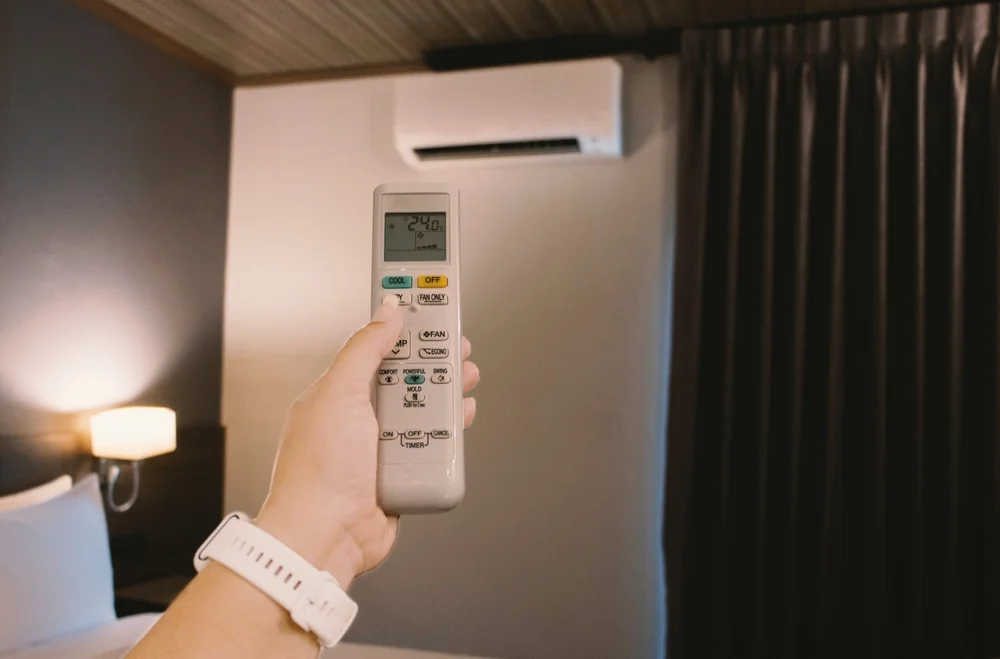
Several controllable factors can change overnight consumption:
For battery sizing, these elements need to be translated into a realistic overnight kilowatt‑hour figure, which is then matched against the usable capacity of the chosen solar battery system.
Star ratings and the system’s Coefficient of Performance (COP) or Energy Efficiency Ratio (EER) have a direct effect on energy use. A more efficient unit delivers the same cooling with less electrical input. For example, two 5 kW cooling units:
Over an 8-hour night, that difference can mean using 16 kWh instead of about 9 to 11 kWh. Inverter units also ramp output up and down rather than simply switching on at full power, reducing peaks and slightly extending usable time on a battery.
Whether a single solar battery can run an air conditioner through the night comes down to simple maths: how much energy the air conditioner actually uses over the hours it runs versus how much usable energy the battery can store and deliver. The answer is rarely one‑size‑fits‑all because the air conditioner and the battery system can vary greatly in size and efficiency.
To judge if one battery will be enough, it is necessary to look at the air conditioner’s power draw, how long it needs to run, the battery’s usable capacity and how those interact with the rest of the home’s night-time consumption. Local climate and comfort expectations also play a major role because they determine how hard the system has to work overnight.
Cooling load is the starting point. A small bedroom split system might be 2.5 to 3.5 kW, while a typical living area unit might be 5 to 7 kW and a ducted system can reach 10 kW or more. The higher the kilowatt rating, the more power it can draw when running at full output.
Modern inverter air conditioners do not pull full power all night. They ramp up to bring the room to temperature, then throttle down and cycle as required. A 3.5 kW inverter unit might average 0.6 to 0.9 kW over the night, especially if set around 24–25°C rather than very low temperatures. Over 8 hours, that equates to roughly 5 to 7 kWh of energy. A larger 7 kW unit might average 1.5 kW over the same period and use 10 to 12 kWh.
Overnight runtime also matters. In milder conditions, a unit may only need 3 to 5 hours of operation to keep a bedroom comfortable. In hot, humid conditions, it might need to run 8 to 10 hours. Comfort expectations are critical. Setting the thermostat very low, such as 20°C in a hot climate, can increase consumption by several kilowatt-hours across the night.
Battery capacity is commonly quoted in kilowatt-hours, but not all of that is usable. Most lithium batteries reserve a portion to protect longevity. A 10 kWh battery may provide around 9 kWh of usable energy depending on settings. To cover an air conditioner that needs 7 kWh overnight plus other loads like lights, fans and a fridge, that 9 kWh can quickly be exhausted.
The air conditioner’s start-up and peak loads also influence performance. Larger ducted systems call for higher instantaneous power. The battery and inverter must be sized to handle the peak demand without tripping or reverting to the grid supply. A high-capacity inverter with sufficient continuous and surge ratings is essential when expecting one battery to carry both cooling and general household loads.
An air conditioner rarely runs alone. Refrigeration, standby appliances, device charging and possibly hot water or pool pumps can add 2 to 5 kWh overnight. If these are not accounted for, it can appear that the air conditioner has drained the battery when in reality the combined household load has.
Climate plays into the equation as well. In a hot coastal summer, it is common for night temperatures to stay high, so systems run longer and dehumidification adds to power draw. In cooler or drier regions, the same system may need much less energy to maintain comfort. In practice, a single battery is most likely to be enough for a small high-efficiency split system in one or two rooms, moderate thermostat settings and a carefully managed household load, particularly in milder overnight conditions.
One solar battery can run an air conditioner overnight in some situations, but only when the numbers line up very carefully. The key factors are the air conditioner’s actual overnight energy use, the usable capacity of the battery and how efficiently the entire system is configured.
In many typical homes, a single battery will only manage part of the night or require the air conditioner to run at a reduced load. However, in a small, efficient home with a modern inverter air conditioner and a high‑capacity battery, one unit can be enough to stay comfortable through the night.
The starting point is the air conditioner’s energy consumption over the hours it must run. A modern 2.5 to 3.5 kW inverter split system might average 500 to 900 W once the room is at temperature. Over 8 hours, that is roughly 4 to 7 kWh.
Most common home batteries are rated between 6.5 and 13.5 kWh, but only a portion of that is usable each night due to depth of discharge limits. For example, a 10 kWh battery with 90% usable capacity provides 9 kWh. If the air conditioner needs 6 kWh overnight, that leaves roughly 3 kWh for lights, the fridge and standby loads.
Climate has a major impact on the average running power. In mild coastal conditions, the compressor cycles at low speed for much of the night, keeping consumption down. In hot, humid conditions or during heatwaves, the unit may run harder and longer, which can quickly exhaust a single battery.
Building performance is equally important. A well-insulated home with good shading and tight sealing holds its temperature, so the air conditioner works less. Poorly insulated or draughty homes let heat in and conditioned air out, forcing continuous high output and higher battery draw.
Thermostat settings also decide whether one battery will cope. A setpoint around 24 to 25°C rather than 20 to 21°C in summer can cut compressor run time significantly. Gentle fan speeds and using bedroom zoning rather than cooling the whole house also keep demand within what one battery can deliver.
A single battery is unlikely to run an air conditioner all night when the home uses a large ducted system cooling many rooms, the property is in a very hot inland area, other heavy loads such as pool pumps or electric ovens run in the evening or the battery is on the smaller side, around 5 to 7 kWh usable.
In those scenarios, additional storage, changing usage patterns to prioritise cooling at night, or accepting partial overnight operation of the air conditioner is usually necessary.
A single solar battery often cannot keep an air conditioner running through the night, especially during hot, humid conditions when cooling demand is highest. In many homes, the usable energy stored in one battery is simply lower than the energy the air conditioner will draw over 8 to 10 hours.
Whether one battery is enough depends on the air conditioner size, battery capacity, how long cooling is needed and what else is running in the home. These factors usually combine so that at least two batteries are required for reliable overnight performance.
Most home lithium batteries are in the range of 5 to 13 kWh of usable storage. By contrast, even a modest air conditioner can consume that much over a single night.
As a guide, a small, efficient split system of 2.5 to 3.5 kW output may draw around 0.6 to 1.2 kW while running. A larger 7 to 9 kW unit can draw 2 to 3 kW or more.
If a mid‑sized split system averages 1 kW over 10 hours, it will use about 10 kWh. Add a fridge, lighting and standby loads and total overnight consumption can rise to 12 to 15 kWh. A single 10 kWh battery will usually hit its depth‑of‑discharge limit before morning, especially during very warm nights when the air conditioner runs harder.
One battery is even less likely to be sufficient when cooling more than a single space. Running several split systems at once or a whole‑of‑home ducted system increases the load.
Cooling multiple rooms means:
A single battery that might just handle one small bedroom unit overnight will typically fall short when asked to support living areas or a ducted system at the same time. In these cases, at least two batteries are often required to maintain comfortable indoor temperatures without frequent grid top‑ups.
One battery also struggles on days that start with a low state of charge or finish with limited solar generation. Overcast winter days with air conditioning used for heating and hazy summer days with reduced output both reduce the energy available to carry through the night.
High‑heat evenings create a second problem. The hotter it is outside, the harder an air conditioner works to reject heat, driving up power consumption exactly when the home is relying entirely on stored battery energy. Under these conditions, a system that technically can run overnight on one battery in mild weather will often run short and switch back to the grid before morning.
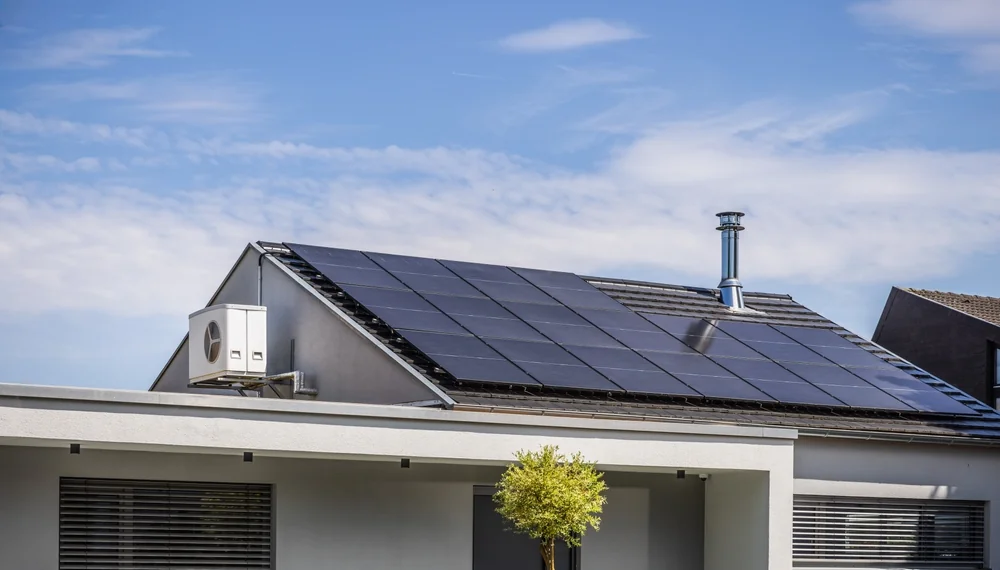
Before investing in a solar battery to run an air conditioner through the night, it is essential to understand whether the system can practically support the load. The key checks relate to how much power the air conditioner uses, how much energy the battery can store and how well the household’s usage patterns and roof solar production match the plan for overnight cooling.
A careful review of appliance efficiency, existing solar capacity, battery chemistry and switchboard suitability ensures the system performs as expected and remains safe and compliant.
Battery storage must cover the air conditioner plus essential household loads such as fridges, lights and standby devices. Many homes use 1 to 3 kWh overnight without cooling, so this must be added to the air conditioning estimate.
Battery capacity is usually quoted as total kWh, but only a portion is usable to protect battery life. A lithium battery might offer 90% usable capacity, so a 10 kWh unit provides about 9 kWh in practice. Lead-acid systems often allow far less usable energy, making them poorly suited to nightly deep cycling for air conditioning.
Cycling depth and warranty terms are critical. Running an air conditioner most nights will use a large part of the battery regularly, so a product with high cycle life and a warranty that covers daily cycling is important. Check the maximum discharge rate as well. The battery and inverter must comfortably handle the combined wattage of the air conditioner and any other loads that may run at the same time.
For a battery to recharge fully most days, the solar array must produce enough surplus energy beyond daytime household use. In cooler months or on cloudy days, a small array may struggle to refill a large battery that supports overnight air conditioning, leading to frequent reliance on grid power.
Roof orientation, shading and available space determine how much additional solar capacity can be added if required. An undersized array paired with a large battery often results in poor value.
The existing switchboard and wiring must also be assessed. A battery system with a hybrid or separate inverter needs appropriate protection devices, space in the board and compliance with local standards. Older homes sometimes require switchboard upgrades or dedicated air conditioning circuits to safely integrate a high-draw appliance with a battery system.
Whether a single solar battery can run an air conditioner overnight ultimately depends on careful system design and realistic expectations. Air conditioner efficiency, battery capacity, depth of discharge, available solar generation and total household load all combine to determine what is achievable in practice. In some cases, a modest high-efficiency split system paired with a well-sized modern lithium battery and controlled usage can deliver overnight comfort. With a well-planned approach and professional input, a solar and battery system can reduce reliance on grid power, support overnight cooling and contribute to a more energy-resilient home.


.webp)

.webp)