A silent or flashing solar inverter can be an early sign that something is wrong with a solar power system. Reduced output, warning messages, unexpected shutdowns or unusual indicator lights can all point to an underlying fault. Platinum Solar Group helps identify these warning signs and determine when professional solar system repairs may be needed.
Understanding what is happening at the inverter can help prevent unnecessary downtime and protect overall system performance. While some problems can be checked safely, electrical faults and persistent errors require assessment by a qualified technician.
Recognising the common causes, warning signs and appropriate next steps can help homeowners respond to inverter problems before they become more serious.
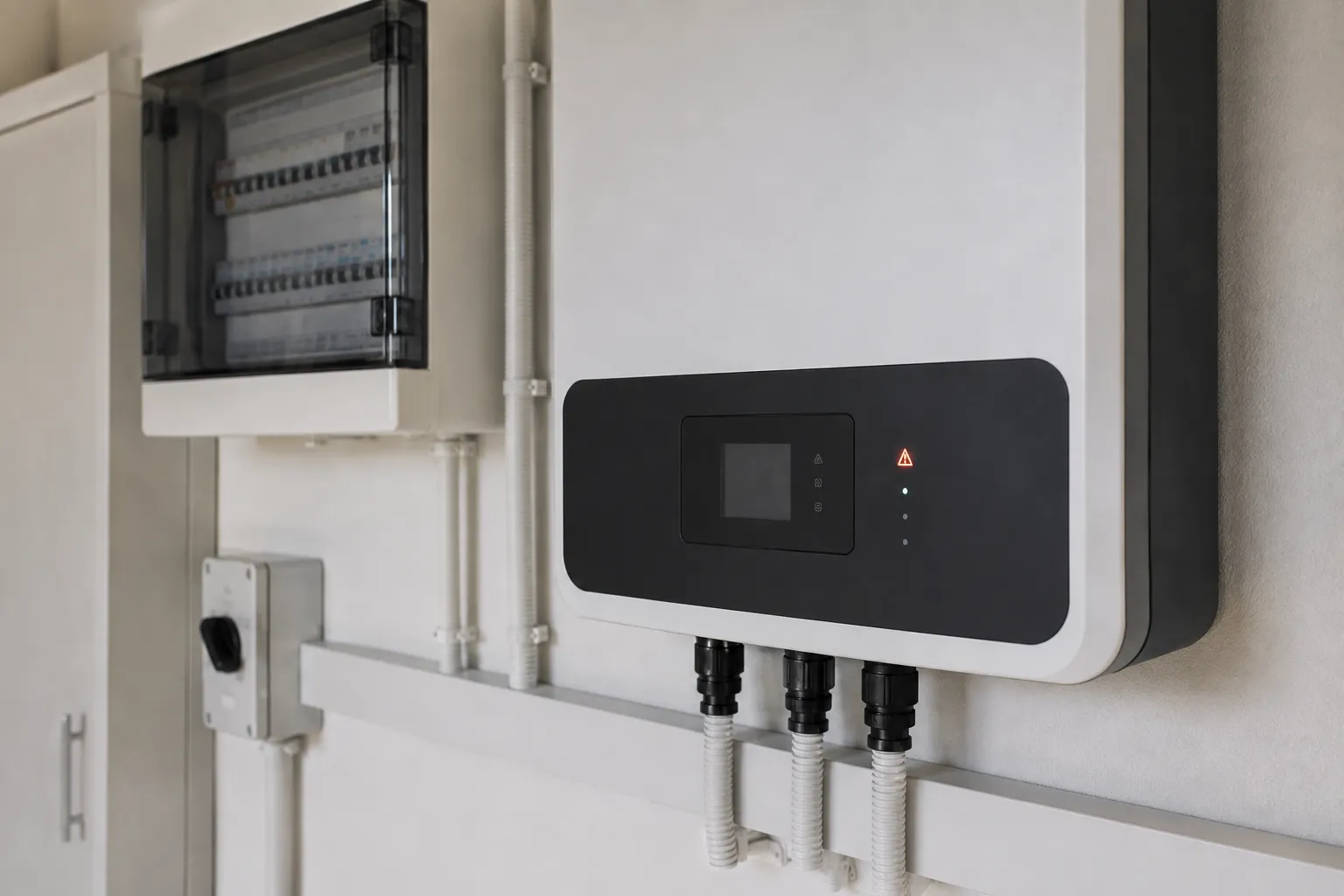
A faulty solar inverter often shows warning signs before it stops working completely. Changes to the display, unusual noises, repeated shutdowns or a sudden drop in solar production can all indicate a problem. Identifying these signs early can help prevent extended downtime and protect the wider solar system.
A red or orange fault light, persistent flashing or an error message can indicate an inverter problem. Common messages may include “Grid Fault”, “Isolation Fault” or “DC Over Voltage”, although codes and light patterns vary between manufacturers. Persistent warnings should be investigated rather than repeatedly reset.
A sudden drop in solar production can indicate a problem with the inverter or another part of the system. The monitoring app may show unusually low or zero output on a sunny day, while the inverter may display little or no power generation. Comparing current production with previous periods can help identify an unexplained decline.
If your solar system is not working or production has dropped unexpectedly, the inverter is only one of several components that may need to be checked.
An inverter that repeatedly switches off and restarts during the day may be responding to grid voltage issues, overheating or an internal fault. Frequent interruptions can reduce energy production and should be assessed if they continue.
Most inverters operate relatively quietly, although some may produce fan noise. Loud buzzing, crackling, a burning smell or excessive heat can indicate an electrical or internal component problem. These signs should be treated seriously and checked by a qualified technician.
Recognising these warning signs early can help prevent minor inverter issues from becoming more serious faults.
Solar inverter faults can originate from the panels and cabling, the property's electrical supply or the inverter itself. Identifying the likely source can help determine whether the issue needs professional attention.
Understanding the likely cause can make it easier to identify the right solution and avoid unnecessary downtime.
Warning lights and error codes can provide useful clues when a solar inverter is not operating normally. While some alerts may be temporary, persistent warnings or faults that affect power production should be professionally assessed.
A solid green light often indicates normal operation, while a flashing green light may indicate start-up or another operating state. A red or orange light usually indicates a fault, although light patterns vary between manufacturers.
If the inverter has no lights during daylight hours, it may have lost power or developed a fault. The manufacturer's instructions should be checked to confirm the exact meaning of each indicator.
Messages can point to problems with the grid, panels, wiring or inverter components. Error codes vary between brands, so the manufacturer's guidance should always be checked.
Repeated isolation, arc fault or internal error messages should not be ignored, as they can indicate safety-critical electrical problems.
Some warnings may clear after a temporary grid interruption or normal start-up process. If an error keeps returning, the inverter remains offline or solar production stays unusually low, a qualified technician should investigate the cause rather than repeatedly resetting the system.
Understanding the warning shown on the inverter can help determine whether the issue is temporary or requires professional attention.
Before booking a technician, homeowners can perform a few basic checks to rule out simple issues. These checks should only involve the inverter display, monitoring system and clearly labelled switches. Never open the inverter, remove covers or touch wiring.
Following appropriate electrical safety precautions is particularly important because parts of a solar system can remain energised even when other electrical supplies have been switched off.
Understanding the difference between basic homeowner checks and professional solar repairs is important when electrical faults or damaged components may be involved.
If there is a burning smell, visible damage, scorching, unusual heat or crackling, stop immediately and contact a qualified solar technician.
Look for warning lights, error codes or messages on the inverter. Record the exact code or message so it can be provided to the technician if a repair is needed.
Also listen for unusual buzzing, clicking or other noises that were not present previously. Do not investigate inside the unit.
Look at the electrical switchboard for a clearly labelled solar or inverter circuit breaker that has tripped. If there are no signs of damage, burning or overheating, it may be possible to reset the breaker once according to the system instructions.
If it trips again, leave it off and arrange professional assistance. Do not repeatedly reset a breaker or alter technical inverter settings.
Confirm that the system is receiving reasonable sunlight. Heavy cloud, early morning, late afternoon or new shading can reduce production.
From the ground, check for obvious shading, dirt, debris or storm damage affecting the panels. Do not climb onto the roof or attempt to inspect rooftop wiring.
If the inverter remains offline, repeatedly shuts down or shows a persistent fault after these checks, professional diagnosis is the safest next step.
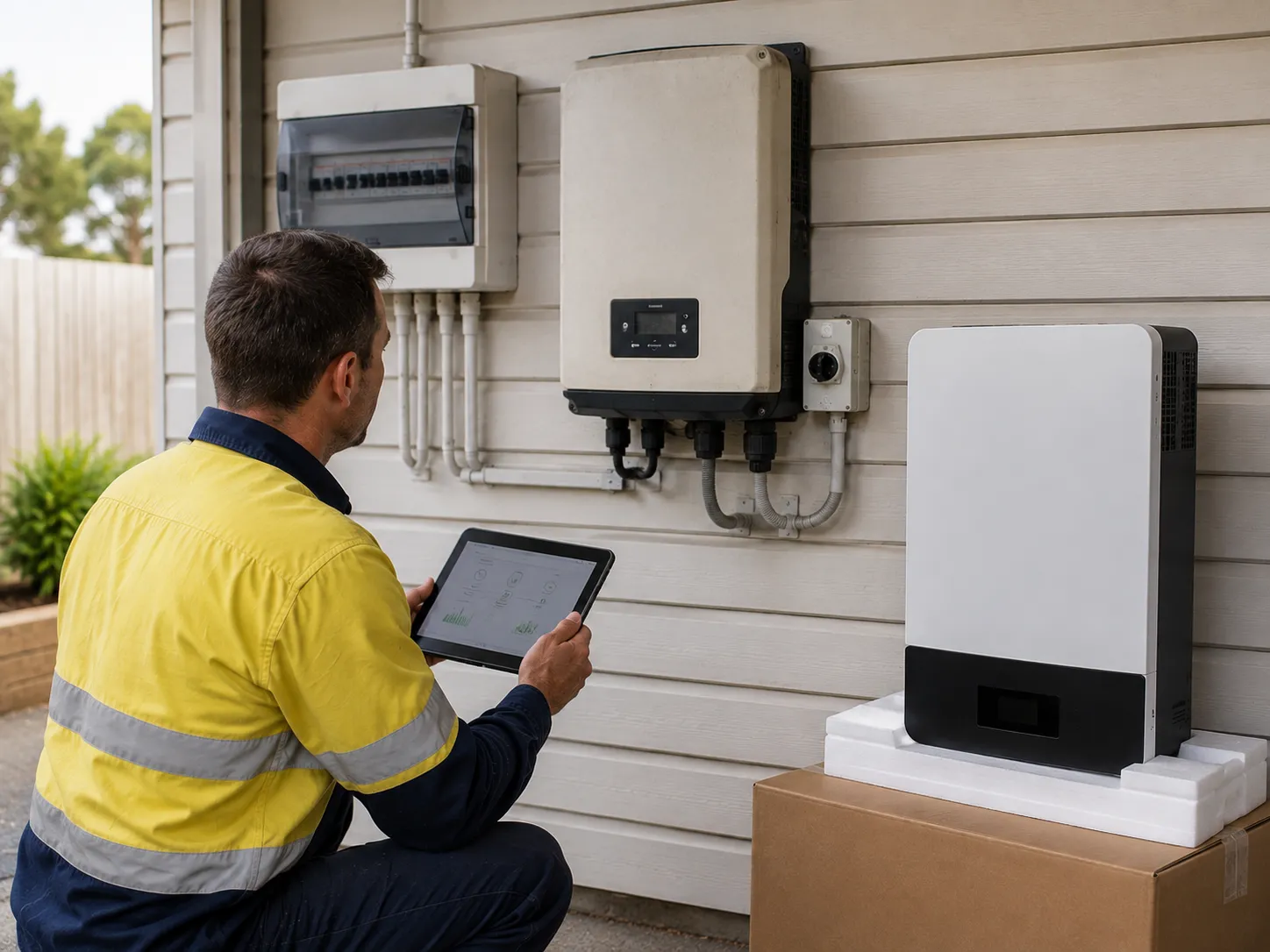
A faulty solar inverter can often be repaired if the problem is relatively minor, the unit is still supported by the manufacturer and replacement parts are available. Issues such as faulty connections, isolators, software problems or certain replaceable components may be repairable without replacing the entire inverter.
Replacement is more suitable when the inverter is older, has suffered major internal damage or continues to develop faults after previous repairs. Water or lightning damage, repeated shutdowns and a lack of manufacturer support can all make replacement more practical and cost-effective than ongoing repairs.
The decision should also consider the inverter's warranty, repair cost, remaining service life and compatibility with the existing solar system. A solar technician can diagnose the fault and compare the repair and replacement options, helping determine the most suitable solution for the system.
A solar inverter typically lasts around 10 to 15 years, although its actual lifespan depends on the inverter's quality, installation conditions, operating temperature and level of use. Since solar panels can last considerably longer, an inverter may need to be replaced during the overall life of the solar system.
Several factors can affect how long an inverter remains reliable. Excessive heat, poor ventilation, dust and moisture can place additional stress on internal components, while regular monitoring and prompt attention to faults can help prevent minor issues from becoming more serious.
As an inverter gets older, recurring shutdowns, persistent error codes, reduced performance or repeated repairs may indicate that replacement is becoming more practical. If an older unit develops a major fault, a qualified technician can compare the repair cost with the benefits of installing a newer inverter with updated features and a new warranty.
Some inverter issues can be identified through basic checks, but persistent faults, safety concerns or changes in solar production should be assessed by a technician. Professional help can identify the underlying cause and prevent a minor problem from becoming a more serious or costly fault.
Book a technician if the inverter repeatedly displays fault messages, shuts down or restarts during the day. Errors relating to isolation, overvoltage, arc faults, internal components or the grid may require specialist testing and should not be repeatedly reset.
An unexplained drop in solar output can indicate a problem with the inverter, panels, cabling or isolators. If the monitoring app shows little or no production on a sunny day, or the system stops generating altogether, professional diagnosis can determine where the fault is located.
A qualified technician should investigate if the solar circuit breaker repeatedly trips or the inverter frequently shuts down due to grid-related faults. Continuing to reset the system without identifying the cause can leave an underlying electrical problem unresolved.
Getting professional assistance when these warning signs appear can minimise downtime and help keep the solar system operating safely and reliably.
While some inverter faults are unavoidable, regular monitoring and good maintenance can reduce the risk of premature failure and unexpected downtime. Keeping the inverter well ventilated, watching for changes in performance and addressing problems early can help maintain reliable operation.
Regular maintenance can help identify inverter faults, wiring issues and other problems before they cause extended system downtime.
Good airflow helps prevent excessive heat from building up around the inverter. Keep the area free from plants, stored items, dust and other obstructions and avoid covering the unit or placing objects directly against it.
Where possible, the inverter should also be protected from prolonged direct sunlight and exposure to water. Excessive heat and moisture can accelerate wear on internal components.
Check the inverter display or monitoring app periodically for changes in solar production, recurring error messages or unexpected shutdowns. A sudden drop in output can indicate an emerging problem even if the system continues to operate.
Addressing unusual behaviour early can help prevent a minor fault from developing into a more serious failure.
Professional servicing can identify issues with wiring, isolators, connections and internal components that may not be visible during a basic inspection. If the inverter repeatedly shuts down, overheats, displays persistent errors or makes unusual noises, it should be assessed rather than repeatedly reset.
Early repairs can help minimise downtime, protect other system components and extend the inverter's useful service life.
Solar inverter problems do not always mean the entire system needs replacing. Some issues can be identified through basic checks, while persistent faults, sudden production losses, unusual smells or repeated shutdowns require professional assessment.
Platinum Solar Group can help identify the underlying cause and determine whether repair or replacement is the most suitable option. Addressing inverter problems early can minimise downtime, protect system performance and help keep the solar system operating safely and reliably.


.webp)

.webp)