A solar system that is not producing power or behaving unexpectedly often shows early warning signs before major damage occurs. At Platinum Solar Group, we regularly see minor issues turn into costly repairs simply because early signs were ignored.
This guide is for homeowners and property managers who rely on rooftop solar and want to avoid unnecessary downtime and expensive callouts. This is important because small faults left unchecked can lead to inverter failure, warranty issues or full system shutdown.
You will learn how to recognise early symptoms, understand common failure causes, perform safe checks at home and know when professional solar system repairs are required.
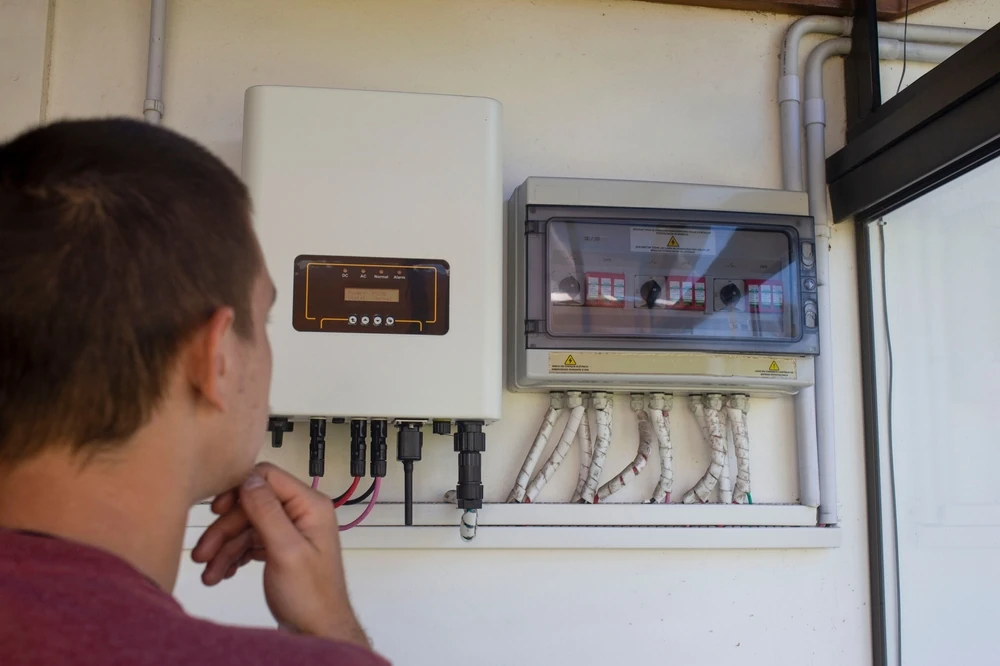
Solar systems rarely fail without warning. Most problems begin with subtle performance changes or alerts that are easy to overlook if you are not actively monitoring your system.
Paying attention to early indicators allows homeowners to act before faults escalate. These signs often appear days or weeks before a complete shutdown, giving you time to respond safely and cost-effectively.
Solar systems should generate electricity whenever there is usable daylight, even on cloudy days. If your system shows zero output during daylight hours, something is preventing normal operation.
You may notice indicators such as:
A complete lack of generation usually points to inverter shutdown, grid disconnection or safety isolation issues rather than panel failure.
Inverters are designed to alert homeowners when something is wrong. Error codes, flashing lights or warning symbols should never be ignored.
Typical warning signs could be:
These alerts often relate to voltage issues, overheating or internal faults that require assessment before further damage occurs.
A sharp decline in output compared to previous months is a strong indicator of a developing problem. Monitoring systems are especially useful for detecting gradual performance loss.
Watch for:
Sudden drops are often linked to shading changes, inverter performance issues or partial system shutdowns.
Understanding why solar systems fail helps homeowners recognise risks before performance is seriously affected. While panels are built to last, many issues originate from supporting components, electrical protection devices or external influences rather than the panels themselves.
Solar systems operate in demanding conditions year-round. Heat exposure, voltage fluctuations, severe weather events and varying grid stability all place ongoing stress on inverters, wiring and safety systems, gradually increasing the likelihood of faults if they are not monitored and addressed early.
Inverters are the most common point of failure in residential solar systems. High temperatures and poor ventilation can trigger protective shutdowns.
What often causes this includes:
Frequent shutdowns reduce energy production and accelerate inverter wear if not addressed.
Australian grid conditions vary significantly by location. Voltage spikes and network instability can cause automatic disconnections for safety.
Typical triggers you will commonly see are:
These trips protect the system, but repeated occurrences can indicate underlying grid compatibility issues.
Solar systems are exposed to harsh outdoor conditions year-round. Storms and environmental factors can damage components without obvious visual signs.
Risk factors to be aware of:
Environmental stress often leads to delayed failures that appear weeks after extreme weather events.
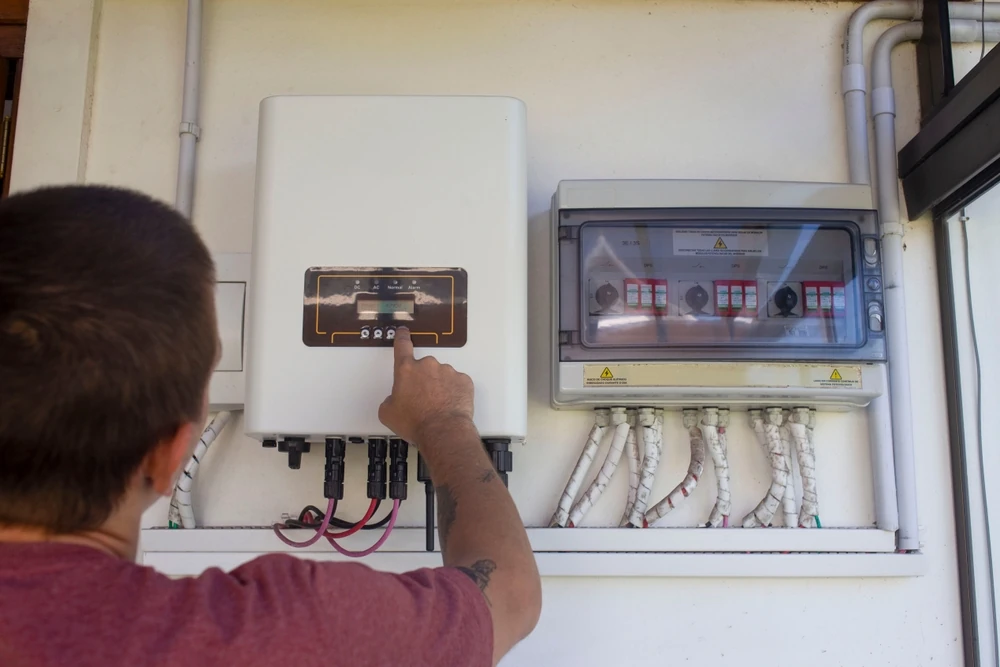
Not every solar system issue requires immediate professional intervention, and some early checks can be completed safely by homeowners. These simple observations help determine whether the problem is minor or if professional support is needed.
Carrying out basic checks also prevents unnecessary callouts and provides useful information if a technician is required later. Safety should always remain the priority, and no checks should involve opening equipment or touching live electrical components.
The inverter display and monitoring app are the most reliable tools for understanding how your solar system is operating. These interfaces are designed for homeowner use and provide real-time information about system performance.
Start by checking:
Clear error messages that continue during daylight hours usually indicate a fault that requires professional diagnosis.
A careful visual inspection can sometimes identify obvious issues without any physical contact. This step should only involve looking at accessible components and never opening isolators or removing covers.
Look for these factors:
If anything appears damaged, loose or unsafe, stop immediately and seek professional assistance.
Changes around your property can impact solar performance more than many homeowners realise. Trees grow, debris accumulates and weather can alter how sunlight reaches the panels over time.
Check for the following:
Simple cleaning and vegetation management can sometimes restore normal performance without further intervention.
There is a clear limit to what homeowners should attempt when diagnosing solar system issues. Beyond basic visual checks and monitoring reviews, continued troubleshooting can introduce serious safety risks or interfere with system protections.
Knowing when to escalate a problem protects your personal safety and the long-term performance of your solar system. Professional assessment ensures faults are identified accurately, repaired correctly and handled in line with electrical and warranty requirements.
Some warning signs indicate immediate electrical or fire hazards and should never be addressed without licensed expertise. These issues often point to internal faults or compromised safety systems.
Stop troubleshooting if you notice:
Electrical faults can escalate rapidly, increasing the risk of fire, equipment damage or electric shock.
Solar components are protected by manufacturer warranties that come with specific conditions and service requirements. Attempting unauthorised repairs or bypassing safety devices can void coverage and leave homeowners responsible for replacement costs.
Depending on the situation, consider:
Professional servicing helps maintain warranty eligibility while ensuring repairs meet manufacturer and regulatory standards.
Small faults rarely remain isolated when left unresolved. Over time, minor issues can place stress on other system components and reduce overall efficiency.
Common cost escalation risks include:
Addressing issues early is almost always more cost-effective than dealing with emergency repairs or component failure.
Solar systems are reliable, but they still require attention when warning signs appear. Early detection, safe checks and timely professional support prevent minor faults from becoming major expenses. If your system is underperforming or showing persistent alerts, acting early protects your investment and energy savings. At Platinum Solar Group, we help homeowners identify issues early and resolve them properly, before small problems turn into costly repairs.


.webp)

.webp)