Choosing the right next step for an existing solar system can be challenging, particularly when a home is already benefiting from lower electricity bills. As energy needs change, homeowners may wonder whether adding more panels or installing a battery will deliver value. Platinum Solar Group helps assess these options and understand which upgrade is better suited to their energy use, property and future needs.
For those considering a solar installation in Sydney, different factors can influence the decision. Additional panels may be more effective for increasing daytime generation, while a battery can store surplus energy for use during the evening and other periods when solar production is low.
Understanding the differences between these options can make it easier to compare potential savings, upfront costs and long-term benefits. It can also help homeowners determine whether panels, battery storage or a combination of both is the most practical way to get greater value from their existing solar system.
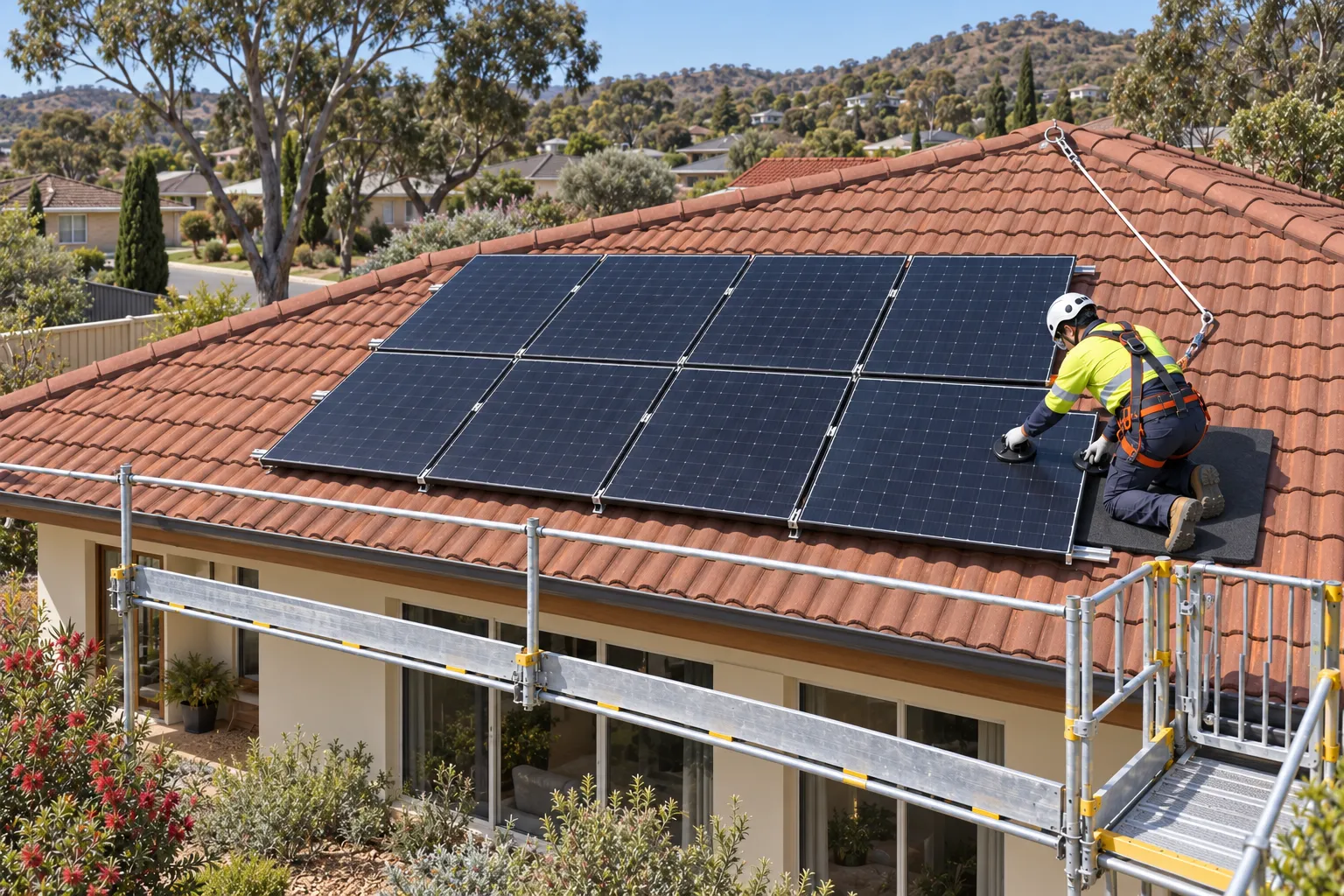
Adding more solar panels can be the better upgrade when a home has high daytime electricity use, available roof space or an existing system that is too small for its current needs. For many households, increasing solar generation can reduce grid reliance more cost-effectively than adding storage when a reasonable feed-in tariff is still available.
Homes using pool pumps, ducted air conditioning, home office equipment or charging an EV during the day can make good use of additional solar as it is generated. Shifting flexible activities such as laundry, dishwashing and cooking into daylight hours can further increase self-consumption.
Older solar systems may have much less capacity than the home now requires. Increasing the array can provide more useful generation throughout the year and help meet growing electricity demand without immediately adding battery storage.
Additional panels can also help prepare for future electricity use from an EV, electric hot water system or other appliances. For homeowners with suitable roof space, increasing solar generation now can also leave the option of adding a battery later.
Before adding panels, the existing inverter, roof space, shading, panel configuration and network requirements should be assessed to ensure the expansion is practical and compatible.
A solar battery can be the better upgrade when a home already generates plenty of solar during the day but still relies heavily on grid electricity after sunset. Rather than increasing generation, a battery stores surplus solar for use when household demand rises.
Homes that use electricity for air conditioning, electric cooking, entertainment, pool equipment or EV charging after sunset can use stored solar instead of buying as much electricity from the grid.
If the existing system regularly exports surplus electricity during the day, a battery can store some of that energy for later use. This can be useful when the feed-in tariff is relatively low compared with the cost of purchasing electricity from the grid.
Some battery systems can provide backup power during a grid outage when installed with suitable equipment and configuration. Battery storage can also increase the proportion of household electricity supplied by the home's own solar system, although it does not necessarily make a property completely independent from the grid.
Before choosing a battery, homeowners should consider how much surplus solar is available, how much electricity is used after sunset and whether backup capability is required.
The right upgrade depends on whether the existing system is falling short on generation or storage. If the home still uses grid electricity during the day, more panels may be appropriate. If the system produces substantial surplus solar that is exported while the home buys electricity at night, a battery may provide greater value.
Electricity bills and solar monitoring data can help show when energy is being generated and consumed. High daytime demand from air conditioning, pool equipment, home offices or EV charging can favour additional panels, while heavy evening consumption can make battery storage more useful.
Regularly exporting substantial solar can indicate that the existing system already generates enough daytime electricity. If grid electricity is then being purchased after sunset, storing some of that surplus may be more useful than generating even more solar.
An EV, electric hot water system, pool equipment or additional air conditioning can change household consumption over the next 5 to 10 years. These future requirements should be considered when deciding whether to add panels, install a battery or take a staged approach.
In simple terms, more panels are suited to homes that need greater daytime generation, while a battery is better suited to homes that already produce surplus solar and need more energy after sunset.
Adding more solar panels can increase the amount of electricity a home generates and reduce reliance on the grid during daylight hours. For households with suitable roof space and high daytime energy use, expanding the existing system can be a practical way to increase solar generation without immediately investing in battery storage.
Here are some of its benefits:
Before expanding the system, the existing inverter, available roof space, panel configuration and network requirements should be checked.
A solar battery allows a home to store excess electricity generated during the day and use it when solar production falls. This can help households make better use of their existing solar generation, particularly when electricity consumption is higher in the evening.
A battery provides the greatest value when there is enough surplus solar to charge it and sufficient electricity demand after sunset to use the stored energy.
Choosing the right solar battery size can help homeowners avoid paying for storage capacity that cannot be regularly charged or used.
Yes, you can add more solar panels and a battery to an existing system at the same time. A combined upgrade can increase the home's solar generation while also storing surplus electricity for use when the sun is not shining. This can be useful for households with high daytime generation and evening electricity use.
Before proceeding, the existing inverter, panel capacity, roof space and network requirements need to be assessed. Depending on the system, the upgrade may involve a compatible hybrid inverter or a separate battery inverter, while additional panels may require changes to the existing configuration.
A combined system should be sized around the home's actual energy use rather than simply maximising panel or battery capacity. Proper planning ensures the additional solar can generate enough energy to make the battery useful while avoiding unnecessary equipment or storage capacity.
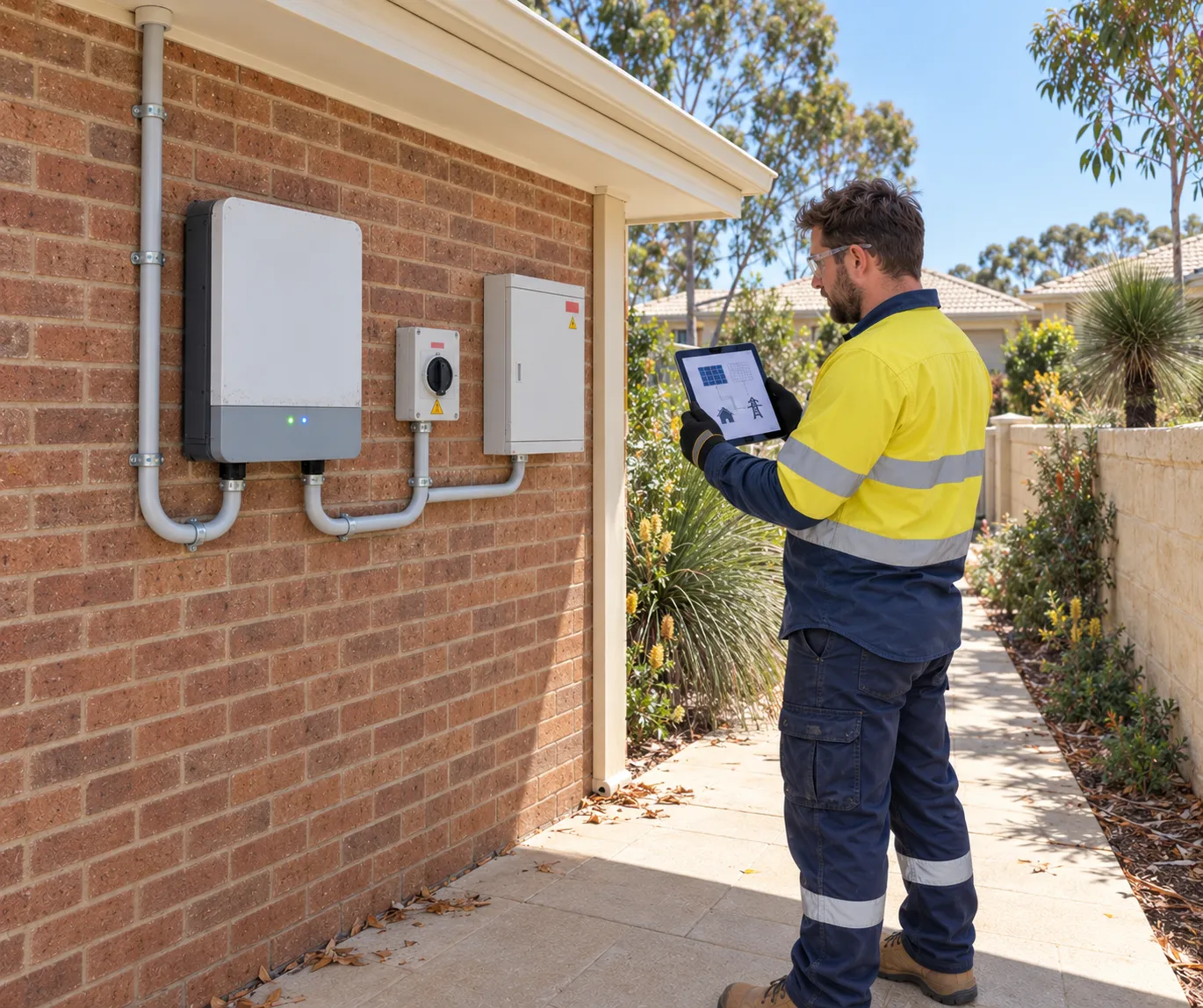
No, not necessarily. Whether an inverter upgrade is required depends on the capacity, age and compatibility of the existing system and whether you are adding more panels, a battery or both. Some inverters can accommodate additional panels within their permitted limits, while others may need replacing if the proposed system exceeds their capacity or configuration requirements.
A battery can also affect the inverter requirements. Older solar inverters may not be compatible with battery storage, meaning a separate battery inverter or a hybrid inverter may be needed. An ageing inverter may also be worth replacing if you are already investing in a broader system upgrade.
Homeowners considering adding a battery to an existing solar system should confirm inverter compatibility, the proposed connection method and any backup requirements before selecting equipment.
Before choosing new equipment, the existing inverter, panel capacity, battery compatibility and network requirements should be checked. This helps ensure new equipment is compatible with the existing system while avoiding unnecessary replacement costs.
Before upgrading an existing solar system, homeowners should assess how much electricity the home uses, how well the current system performs and whether the existing equipment can support the proposed changes. Checking these factors first can help avoid unnecessary costs and ensure the upgrade suits the property's current and future energy needs.
A professional assessment can help homeowners plan a solar system upgrade around their current energy use, equipment compatibility and future electricity needs.
Recent electricity bills and solar monitoring data can show daily consumption, seasonal changes, solar generation, grid imports and excess solar exports. This information can help determine whether the home needs more generation or more storage.
Australian Government guidance explains how homeowners can monitor solar system performance and energy use, including generation, battery activity, grid imports and solar exports.
The existing inverter should be checked to determine whether it can accommodate additional panels or connect with a battery. Its age, capacity and compatibility should be considered before new equipment is selected.
Roof space, panel orientation and shading should also be assessed to ensure additional panels can generate useful amounts of electricity.
Additional solar capacity or changes to the inverter may be subject to local network, connection and electrical requirements. Homeowners should also consider future needs like an EV, electric hot water, pool equipment or increased air conditioning use.
NSW Government guidance explains that electricity network approval is required before connecting solar to the grid and that limits may apply to system size and electricity exports.
If backup power is important, the battery system should be designed specifically to support the required essential loads.
The cost of upgrading an existing solar system depends on whether you are adding more panels, a battery or both. The total price can be affected by the equipment required, inverter compatibility, installation complexity, roof access, electrical work and network requirements.
Several factors can influence the final cost of a solar upgrade when new equipment needs to be integrated with an existing system. The main considerations include:
The cheapest quote is not necessarily the best value. Homeowners should compare what each quote includes, such as panels, battery capacity, inverter equipment, installation, monitoring, warranties and backup functionality.
Considering the expected reduction in grid electricity use and the home's future energy needs can help determine whether adding panels, installing a battery or combining both is the more worthwhile investment.
Choosing between more solar panels and a battery ultimately comes down to how the home generates and uses electricity. Additional panels are better suited to homes that need more daytime generation, while a battery can be more valuable when surplus solar is being exported and electricity is used heavily after sunset. For some households, combining both can provide the right balance of generation and storage.
Platinum Solar Group can help homeowners evaluate their existing system, energy usage and future requirements to determine the most suitable upgrade. Whether adding panel capacity or considering a solar battery installation, a well-planned system can help reduce grid reliance and provide greater value as the home's energy needs change.


.webp)

.webp)