When a solar power system stops performing properly, the issue is rarely as simple as a complete system failure. Reduced generation, unexpected shutdowns, inverter faults and rising electricity bills can all point to underlying problems that need proper assessment before repair or replacement decisions are made. In many cases, unnecessary callouts and avoidable replacement costs happen because warning signs are misunderstood or important system details are not checked before arranging solar system repairs.
Platinum Solar Group explains how faults can develop across panels, inverters, monitoring systems, wiring and safety components. This article also covers what to check before booking a technician, how warranties and installer responsibilities affect the repair process and why qualified fault finding is essential for safety, reliability and long-term system performance.
A solar system rarely stops working without showing some signs first. These warning signs may appear through reduced output, error messages, changes in electricity bills or visible damage around the system. Recognising these early indicators can help prevent larger repair costs and reduce the time the system spends offline.
It also helps to know what normal performance looks like. A system will naturally produce less during cloudy weather, winter or shaded periods, but a consistent drop on clear days should be investigated. Comparing current output against previous clear-day performance gives a more useful picture than judging the system from one day of generation.
One of the clearest signs of a problem is a noticeable drop in solar generation that cannot be explained by weather, shading or seasonal changes. If the monitoring app or inverter display shows much lower kilowatt-hour output on clear days than it did in previous months, the system may have an underlying fault.
Production that changes sharply from day to day under similar weather conditions can also point to a problem. A failing panel, loose connection, inverter issue or shading problem may cause inconsistent output. A system that repeatedly shuts down and restarts during the day, or stays at zero output while the sun is out, should be checked promptly.
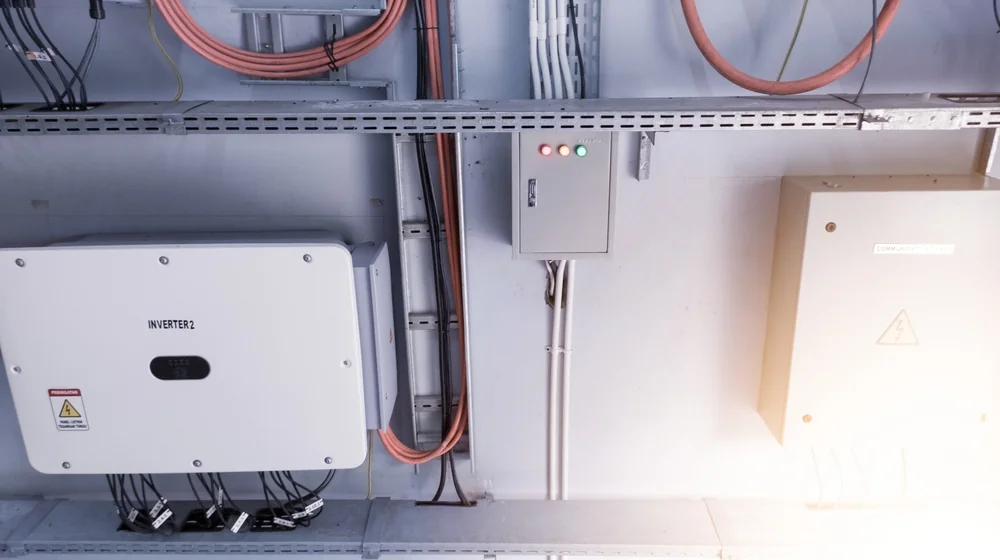
The inverter is one of the first places to check when a solar system is not behaving normally. Warning lights that change from green to red or orange usually indicate a fault. Error codes such as “grid fault”, “isolation error” or “DC overvoltage” show that the inverter has detected an issue and may have shut down for safety.
Other signs include constant beeping, repeated restart cycles or an inverter that does not power up in the morning. Even if the system still appears to be producing some energy, persistent fault codes or warning lights should not be ignored. Recording the exact error message can help a technician diagnose the issue more quickly.
A rising electricity bill can be another sign that the solar system is no longer offsetting grid power as expected. If household usage habits have remained similar but the bill suddenly looks closer to pre-solar costs, the system may be offline, underperforming or not exporting correctly.
Comparing the total solar generation shown on the inverter or app with the solar export or usage shown on the electricity bill can help identify mismatches. If the system appears to be generating normally but the bill shows little solar contribution, the issue may relate to the meter configuration, monitoring setup or how the solar system is connected to the switchboard.
Visible damage should always be treated seriously. Cracked or shattered panel glass, burn marks, melted or discoloured cabling, loose conduit and exposed wiring may indicate that the system is unsafe or operating below its potential.
Other warning signs include frequent tripping of the solar circuit breakers, a burning smell near the inverter or isolator, or unusual humming or buzzing that was not present before. These issues should not be handled personally. They require assessment by a licensed solar electrician.
When a solar system stops working or output suddenly drops, the cause is usually connected to one part of the system rather than the whole installation failing. Most problems relate to the inverter, wiring, safety switches, shading, monitoring equipment or environmental damage.
Understanding these common fault areas gives system owners a useful starting point. It also helps avoid rushed assumptions, such as replacing panels when the real issue is an inverter fault, tripped breaker or shading change.
The inverter is one of the most common points of failure because it is an active electronic component working throughout the day. If the system appears off, the inverter display, lights and monitoring portal are usually the first things to check.
Common inverter issues include worn internal components, fan failures, overheating and software or communication faults. Heat can be a major factor, especially when the inverter is installed in direct sun or in a poorly ventilated area. Grid voltage fluctuations may also cause nuisance tripping or repeated shutdowns.
If the inverter does not show an obvious fault, the problem may sit within the wiring, isolators, breakers or other protection devices. Outdoor components can degrade over time due to UV exposure, heat, moisture and roof movement.
Tripped circuit breakers or blown fuses can stop the system from feeding power. This may happen after storms, grid disturbances or other electrical work. Isolator switches near the inverter or on the roof can also fail, wear out or be left off after maintenance.
Damaged cabling, poor terminations or loose connections may cause intermittent operation or safety shutdowns. Burning smells, discoloured plastic around switches or repeated tripping should be treated as urgent warning signs.
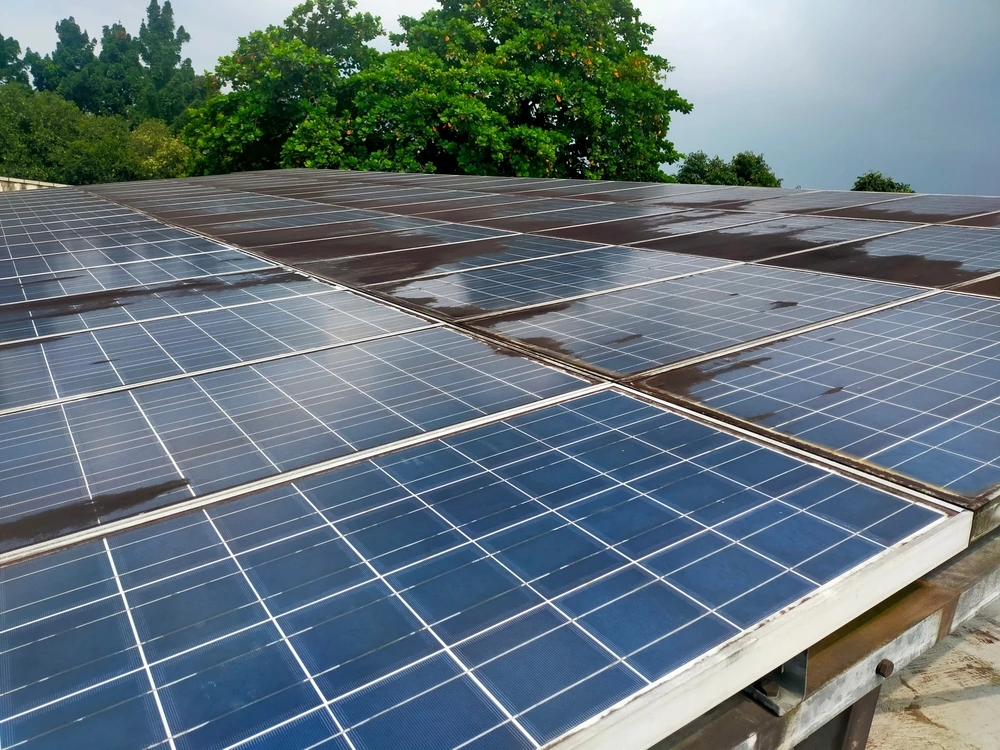
Quality solar panels are generally reliable, but they can still be affected by impact, weather and site conditions. Hail, falling branches or trades walking on the roof can crack glass, damage frames or create hidden microcracks. Even small cracks can reduce output and allow moisture to enter over time.
Shading is another common cause of reduced performance. Trees may have grown since the system was installed, or new structures such as extensions, satellite dishes, antennas or air conditioning units may now block sunlight at key times of day. Dirt, bird droppings and pollution can also reduce output when the array has not been cleaned or inspected for a long period.
Before calling a technician, it is worth checking the system details, warranty information and basic fault evidence. This does not mean attempting repairs. It simply means gathering the information that helps a qualified technician understand the system before attending.
A few minutes spent collecting paperwork, photos and fault codes can prevent confusion, reduce unnecessary callout costs and make it easier to determine whether the issue may be covered by warranty.
Solar systems usually have several separate warranties rather than one blanket warranty. These may include:
The original handover pack, quote, invoice or installer emails should show the installation date and warranty terms. Panel performance warranties may run for 20 to 25 years or more, while inverter warranties are often shorter. Workmanship warranties vary depending on the installer and contract terms.
Knowing which warranty may apply helps determine whether the issue should be handled through the installer, manufacturer or a paid service technician.
Technicians need to know what type of system they are working on before attending. Useful details include the system size, number of panels, inverter brand, inverter model and whether the property has single-phase or three-phase power.
It is also helpful to note whether the system includes a battery, hybrid inverter, DC optimisers or microinverters. These components affect how faults are diagnosed. For example, a microinverter or optimiser fault may affect one panel rather than the whole system.
Access details should also be recorded. A technician may need to know whether the roof is single- or double-storey, whether it is tile, metal or slate and whether there are access limitations such as steep pitch, limited ladder space or difficult roof sections. This helps determine whether extra safety equipment or a second technician may be required.
Clear information often speeds up diagnosis. Before booking repairs, take photos of the inverter screen, warning lights, error codes, switchboard, solar labels and any visible damage. If the monitoring app shows reduced output or panel-level issues, screenshots are also useful.
If paperwork is missing, labels on the inverter, panel frames, battery or switchboard may still show the brand, model and serial numbers. These details can help identify warranty status and replacement part availability.
When the original installer cannot be contacted, the system can still be assessed and repaired. The process may take more preparation, but manufacturer warranties and product support may still apply if the correct documentation is available.
Installer insolvency, relocation or poor after-sales support can make the repair pathway more complicated. However, a qualified solar technician can usually inspect the system, identify the fault and advise whether the issue may be suitable for a warranty claim.
Before contacting a new service provider, collect as much information as possible about the system. Useful documents and details include:
This information helps the technician determine whether the system is serviceable, what parts may be needed and whether any manufacturer warranty may still apply.
If the installer has closed or cannot be reached, product warranties may still be backed by the manufacturer. This means panel, inverter or battery faults may still be claimable if the warranty terms are met.
Manufacturers usually need proof of purchase, serial numbers and evidence of the fault. A licensed solar electrician can test the system and provide the technical information required for a claim. Where the problem relates to workmanship and the installer is no longer trading, consumer law options may still exist, although these can be slower and more complex than a direct installer remedy.
If a system has tripped, shut down or been offline for a long time, safety must come first. Exposed wiring, damaged isolators, water ingress, burn marks or burning smells are all reasons to keep the system off until it has been inspected.
A qualified technician may test insulation resistance, earthing, voltages, shutdown procedures and the condition of isolators, wiring and switchboard components. Some inherited or older systems may need parts replaced before they can be safely returned to service. This may add cost, but it helps protect the property and ensures the system is operating in a compliant condition.

Solar systems are high-value electrical assets, and any repair can affect safety, warranty and performance. A qualified solar technician understands how the panels, inverter, wiring, isolators, switchboard and monitoring system work together.
Using an unqualified person or attempting DIY repairs can create serious risks. It may also void warranties, increase fire or electric shock hazards and lead to repeat failures because the real cause of the problem has not been found.
Solar panels and DC cabling can carry hazardous voltage whenever there is daylight. Unlike standard household AC circuits, DC current does not pass through zero in the same way, which can make arcing more dangerous if the system is not isolated correctly.
Incorrect connectors, poor crimps, loose DC isolators and mismatched components can all create safety risks. A licensed solar electrician understands correct isolation procedures, connector compatibility, torque requirements and enclosure ratings. This is essential for both safe repair work and reliable long-term operation.
Solar faults are often subtle. A string may still produce power but at a reduced level due to one failing panel, a shaded section, a deteriorating connector or an inverter issue. Replacing parts at random can become expensive and may not fix the root cause.
Proper fault finding allows repairs to be targeted. A technician can test output, compare strings, inspect components, check monitoring data and identify whether the problem is electrical, environmental, mechanical or product-related. This helps return the system to strong performance without unnecessary replacement work.
Not every solar fault means the whole system needs replacing. In many cases, the issue is limited to one part of the system, such as the inverter, isolator, wiring, mounting hardware or a small number of panels.
Understanding which parts commonly fail helps system owners make sense of repair advice. It also makes it easier to compare quotes and decide whether a repair, warranty claim or replacement is the most practical option.
Inverters usually have a shorter lifespan than solar panels and are often the first major component to need attention. Typical warning signs include frequent shutdowns, no display lights, error codes, fan noise, communication issues or a clear drop in energy production during normal sunlight conditions.
Many string inverters last around 10 to 15 years, depending on the product, installation location and operating conditions. Microinverters and optimisers can also fail individually, which may appear as one low-performing panel in the monitoring data rather than a complete system failure. A technician can confirm whether the inverter can be repaired, replaced under warranty or upgraded.
Solar panels usually have long product and performance warranties, but they can still be damaged. Hail impacts, falling branches, roof work and severe weather can crack glass, damage frames or cause hidden cell damage.
Less visible faults may include microcracks, snail trails, delamination, water ingress or hot spots. These issues can reduce output and may create safety concerns if left unresolved. Monitoring data may show that one string or one panel is consistently underperforming compared with the rest of the system.
Cabling, isolators and protection devices are critical to system safety. UV exposure, moisture, roof movement, animal damage and poor original installation can cause cracked insulation, loose connections or failed switches.
Outdoor isolators and junction boxes are particularly exposed to weather. If these components show signs of heat damage, cracking, corrosion or water ingress, they may need replacement. Repeated tripping can also point to a fault that requires professional testing rather than simply resetting the breaker.
Mounting rails, clamps and roof fixings hold the solar array securely in place. Over time, these components can loosen, corrode or shift, especially in coastal areas or high-wind locations.
Loose or rusted hardware should be repaired before it causes panel movement, roof damage or water entry. In many cases, the repair may only involve specific brackets, rails or fixings rather than the whole mounting system. A roof and mounting inspection can help confirm whether the array remains secure.
The best response to a poorly performing solar system is a methodical assessment rather than reacting to the first visible fault or repair quote. Monitoring data, inverter error codes, electricity bills, warranty documents and system details all provide useful clues about what may be wrong.
Many solar faults are repairable when they are diagnosed correctly. Others may point to ageing equipment, unsafe components or parts that are no longer covered by warranty. By understanding the warning signs, gathering the right information and using a qualified technician, system owners can reduce downtime, avoid unnecessary replacement costs and protect the long-term value of their solar investment.


.webp)

.webp)