Choosing the right solar battery size has become more important as Australia’s battery rebate changes affect how much value households can get from different solar battery systems. While rebates can reduce upfront costs, the value of a solar battery installation still depends on how well the system matches the property’s power use, solar generation and long-term energy goals.
Platinum Solar Group explains how the 2026 battery rebate changes may influence battery sizing for Australian homes and businesses. This article looks at why bigger is not always better, how usable capacity affects long-term value and what should be checked before choosing a solar battery system. By understanding how energy use, solar generation, tariffs and rebate eligibility work together, it becomes easier to choose a battery that supports stronger savings and better long-term return.
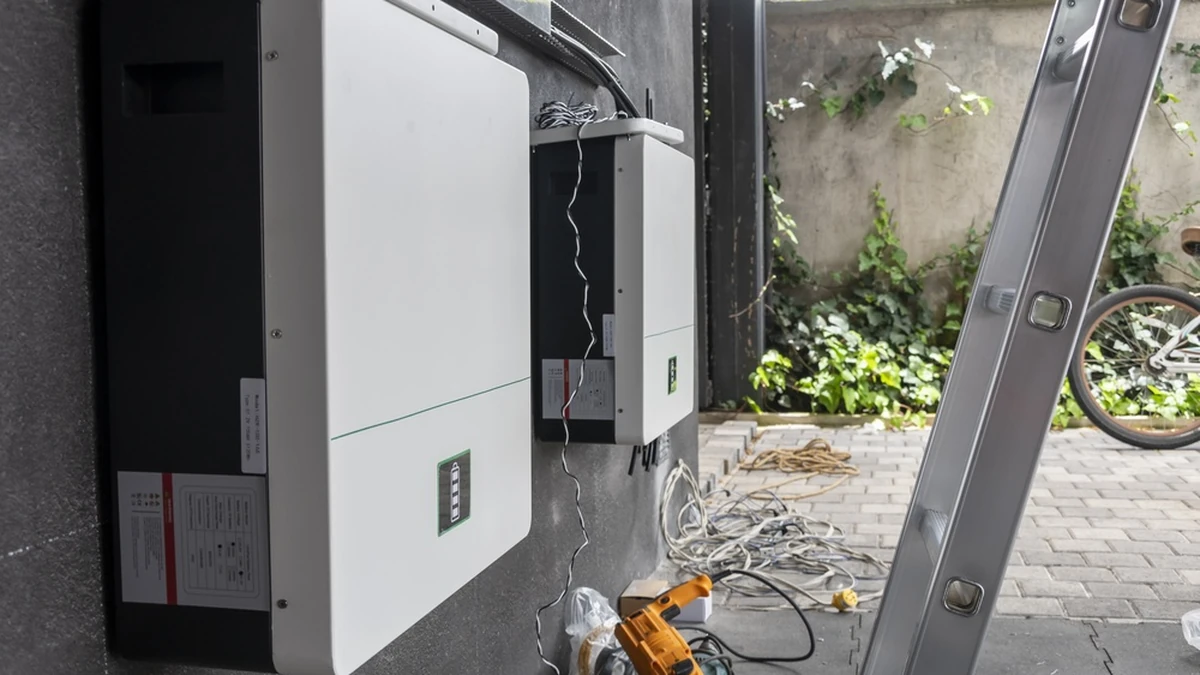
The 2026 battery rebate changes are expected to influence how households compare different battery sizes. Rather than focusing only on the largest available system, homeowners need to consider how much storage they can actually charge, use and benefit from across a normal day.
Battery rebates can make solar storage more affordable, but they do not remove the need for careful system design. The best result usually comes from matching the battery to evening and overnight power use, available solar generation and the property’s future energy needs.
Before comparing battery sizes, it is important to confirm whether the battery, inverter, installer and system design meet current eligibility requirements. Not every battery model or installation setup will qualify for rebate support, and requirements may change as government and scheme rules are updated.
Approved product lists, installation standards, warranty requirements and safety rules all need to be checked before a system is finalised. A battery that appears cheaper upfront may not offer the best value if it does not qualify for the rebate or requires additional upgrades to meet compliance requirements.
This is why battery sizing should not be treated as a simple capacity decision. The system also needs to be eligible, safe, compatible and suitable for the way the property uses power.
A larger battery may attract a higher total rebate amount if more eligible capacity is installed. However, that does not automatically mean it will provide a stronger return.
The financial value of a battery comes from storing solar power that would otherwise be exported for a lower rate and using it later when grid electricity is more expensive. Once the battery is large enough to cover most evening and overnight use, extra capacity can become less valuable if it is rarely charged or discharged.
For example, a household that regularly uses around 10 kWh after sunset may not gain much extra value from a much larger battery if the additional capacity sits unused most days. Even with a rebate, oversized storage can increase upfront cost without delivering matching bill savings.
Battery sizing is also affected by electricity tariff structures. Homes on time-of-use tariffs may benefit more from storing daytime solar and using it during peak evening periods, when grid electricity is more expensive.
This makes usable battery capacity especially important. A battery should be large enough to reduce peak-rate grid imports, but not so large that it cannot be charged properly from the solar system. The strongest savings usually come from a battery that cycles well across normal daily use, rather than one that looks impressive on paper but is rarely used to its full potential.
The 2026 rebate changes place more attention on choosing a battery that fits the property, rather than simply adding storage because an incentive is available. The wrong battery size can reduce the value of the rebate and weaken long-term payback.
A battery that is too small may run out early in the evening, leaving the household to buy grid power during expensive peak periods. A battery that is too large may not fully charge from available solar or may store more energy than the household can use overnight.
When comparing battery systems, usable capacity matters more than the headline size. A battery may be advertised at a certain kWh rating, but the amount that can be safely and regularly used may be lower depending on the product design and control settings.
This is important because rebate value, energy savings and payback depend on how much stored energy can actually be used. A well-sized battery should cover a meaningful portion of evening and overnight demand without regularly sitting full, empty or underused.
Correct sizing aims to make the battery work efficiently most days of the year. That balance is what helps turn the upfront rebate into genuine long-term savings.
Battery payback depends heavily on how often the stored energy is used. A battery that charges from solar during the day and discharges into evening use is generally working harder than one that remains half-full or half-empty for long periods.
An undersized battery may fill quickly and discharge too early, leaving later evening and overnight demand uncovered. An oversized battery may rarely reach full charge, especially during winter or cloudy periods. In both cases, the system may not deliver the best possible return.
The goal is to choose a battery that can be cycled regularly without being pushed beyond sensible operating limits. This helps maximise both the rebate benefit and the long-term financial value of the system.
A battery can only store the energy available to charge it. If the solar system is too small, heavily shaded or limited by roof space, a large battery may not fill often enough to justify its cost.
For many homes, the best approach is to assess the solar system and battery together. In some cases, increasing solar capacity before choosing a larger battery may provide better value than installing more storage behind an undersized panel system.
Battery sizing should always consider how much surplus solar is available after daytime household use. Without enough surplus generation, the battery may rely more heavily on grid charging, which can reduce savings depending on the tariff.

The most reliable way to choose a solar battery size is to look at actual energy use. Guessing based on household size or choosing the largest rebate-eligible option can lead to poor results.
A good battery recommendation should consider electricity bills, smart meter data, solar production, tariff structure and any future changes to household demand.
Battery sizing should begin with the energy used when solar panels are no longer producing enough power to meet demand. This usually includes late afternoon, evening, overnight and early morning use.
The most accurate guide is interval data from a smart meter. If that is not available, electricity bills can still provide a useful starting point. A 3 to 12 month usage history gives a better picture because it accounts for seasonal changes.
As a general guide, many households use a large portion of their daily electricity outside solar production hours. A home using 18 kWh per day may have around 9 to 12 kWh of evening and overnight demand, depending on appliances, work patterns and heating or cooling use. A higher-use household may need more storage, especially if it has electric cooking, pool pumps, reverse-cycle air conditioning or plans to add an electric vehicle.
The battery’s usable capacity should be matched to this after-solar demand, not simply to total daily consumption.
The battery must also be matched to the solar system’s ability to charge it. A larger battery only makes sense if the property regularly produces enough surplus solar to fill it.
For example, a home with a modest solar system and high daytime usage may not have enough leftover solar to charge a large battery. In that case, a smaller or medium-sized battery may provide better value because it can be filled and used more regularly.
A home with a larger solar system, strong midday exports and high evening demand may justify a bigger battery. The right size depends on the relationship between generation, daytime self-consumption and evening load.
Battery sizing should also take future usage into account. A home planning to add an electric vehicle, induction cooktop, electric hot water system or more reverse-cycle heating and cooling may need more storage than current bills suggest.
Tariffs also matter. If peak evening electricity rates are high, a larger battery may deliver stronger savings because more stored solar can be used when grid power is expensive. If the household has low evening demand or spends little time at home, a smaller system may still be the better financial choice.
The strongest result usually comes from sizing the battery around both current usage and realistic near-term changes, rather than oversizing for possibilities that may never happen.
A larger solar battery can look appealing, especially when rebates reduce the upfront price. However, the best value does not always come from installing the biggest system available.
Battery value depends on use. If extra capacity is rarely charged, rarely discharged or only used during limited periods of the year, it may not provide a strong return.
Most of a battery’s savings come from reducing grid imports during evening and overnight periods. Once that demand is mostly covered, additional capacity may produce smaller savings.
For example, if a home typically uses 10 kWh overnight and installs a 15 kWh battery, the extra 5 kWh may not be used on most days. That unused capacity still adds cost, takes up space and may require a more complex installation.
Even with rebate support, capacity that does not regularly contribute to bill savings can weaken the overall return on investment.
Several practical limits can affect how much battery storage is useful. These include roof space, panel orientation, shading, inverter size, household daytime use and local network requirements.
A home with limited solar generation may not benefit from a large battery because there is not enough surplus energy to charge it consistently. Winter production also needs to be considered, as shorter days and cloudy weather can reduce the amount of energy available for storage.
Correct sizing should reflect real site conditions, not just the maximum battery capacity available under the rebate.
All batteries degrade gradually over time. A larger battery does not automatically provide better value if much of its capacity is unused across the warranty period.
Most residential batteries include warranty conditions based on years, cycles, retained capacity or energy throughput. A well-sized battery that is charged and discharged regularly can often extract more value from its usable capacity than a larger battery that ages while only being lightly used.
The aim is not to exhaust the battery quickly, but to choose a size that works productively within its warranty conditions.
Before choosing a battery size, households and businesses should check how the system will perform in real conditions. The rebate can help reduce upfront costs, but it should not be the only reason for selecting a particular battery.
A good battery choice should balance eligibility, capacity, compatibility, solar production and long-term savings.
The first step is to understand when electricity is used. Smart meter data, electricity bills and solar monitoring reports can all help identify how much power is consumed during the day, evening and overnight.
Future changes should also be considered. A household planning to add an electric vehicle, switch from gas to electric appliances or run more heating and cooling may need a different battery size than a household with stable energy use.
Sizing based only on current bills can lead to an undersized system if major electrical upgrades are planned soon.
The solar system needs to produce enough surplus energy to charge the battery. If the property already has solar, export data can show how much unused solar is available during the day. If solar is being installed at the same time as the battery, the panel system should be designed with storage in mind.
Important checks include:
In many cases, the best result comes from designing the solar and battery system together rather than treating the battery as an add-on.
Battery eligibility should always be confirmed before making a final decision. The battery model, inverter setup, installer accreditation and installation design may all affect whether the system qualifies for rebate support.
It is also important to check whether the switchboard, metering, backup circuits or internet connection require upgrades. These details can affect the final cost and may influence whether a smaller, larger or modular battery system is the better fit.
Battery performance depends on more than size. The system’s control settings determine when it charges, when it discharges and how it responds to tariff changes.
A well-configured battery can prioritise storing solar power for evening use, reduce grid imports during peak periods and maintain reserve capacity where backup power is needed. Some households may also consider retailer plans or virtual power plant options if they suit their goals.
The right settings can make a major difference to the value of the battery over time.
The 2026 battery rebate changes are making solar storage more attractive for many Australian households and businesses, but the best results still depend on correct sizing. A larger battery may provide more storage capacity, but it only delivers strong value when the property has enough solar generation and enough evening or overnight demand to use it well.
For most homes, the ideal solar battery size is the one that regularly stores surplus solar, reduces peak grid imports and supports future energy needs without adding unnecessary capacity. By checking usage patterns, solar output, tariff structures, eligibility requirements and installation conditions, households can make a more informed decision and choose a battery system that delivers stronger long-term savings.


.webp)

.webp)