A solar battery is designed to store excess solar energy generated during the day and make it available when the sun is not shining. When that stored energy seems to disappear more quickly than expected overnight, it can raise concerns about system performance, battery health and overall return on investment.
Rapid depletion does not always indicate a fault. The cause is often linked to household energy use, battery capacity, system settings or the amount of solar energy stored before sunset. Understanding how these factors interact can help property owners determine whether the battery is operating normally or whether the system requires further investigation.
Platinum Solar Group explains the most common reasons a solar battery may lose charge faster than expected overnight, from household energy consumption and battery sizing to inverter settings and daytime charging performance. Reviewing these factors can make it easier to identify whether simple changes may improve performance or whether a professional inspection is needed.
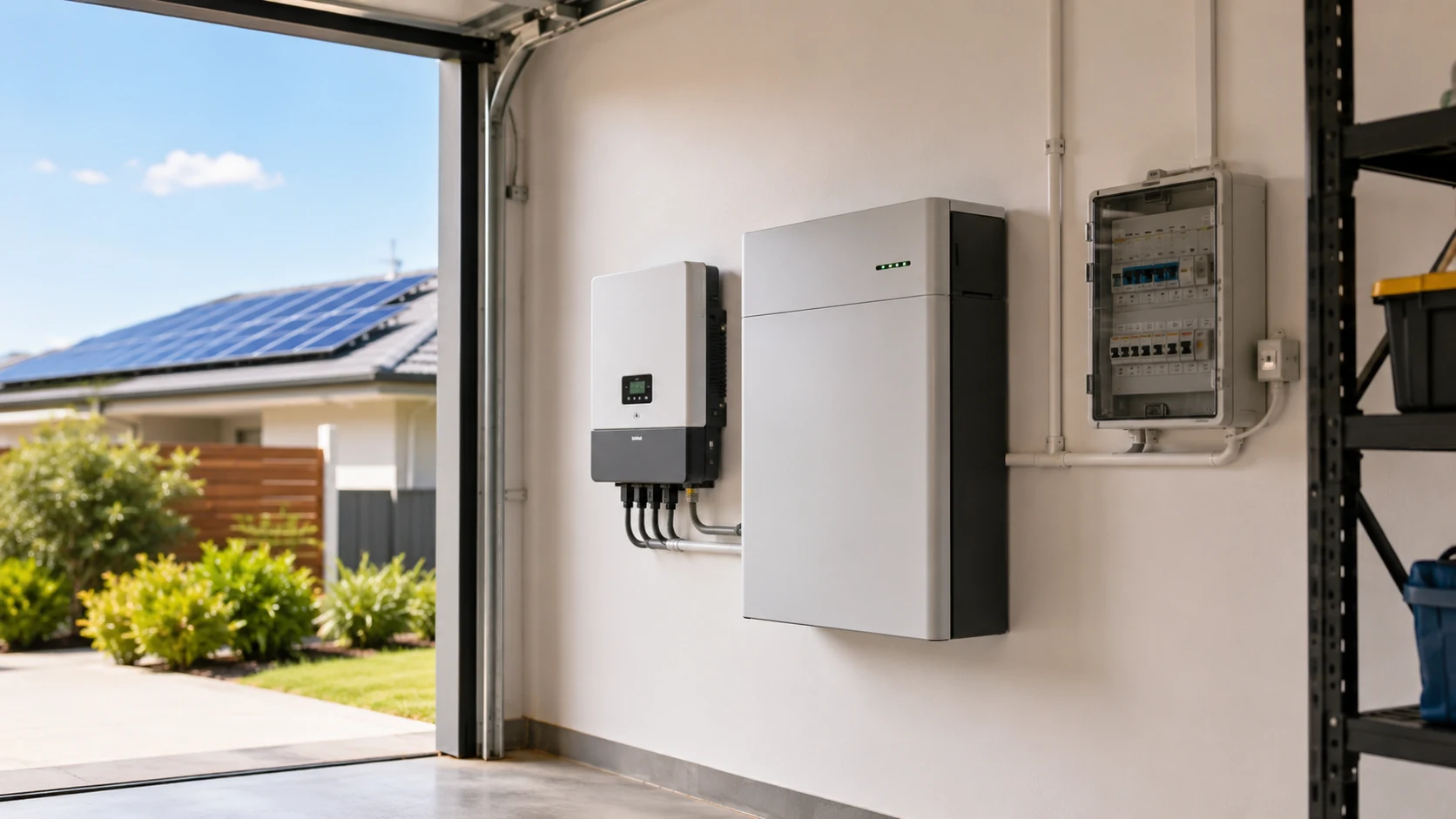
Some reduction in a solar battery’s state of charge overnight is expected. Once the sun goes down, the battery supplies energy to household appliances, lighting and background loads until it reaches its minimum reserve setting or the available stored energy is used.
There is no single percentage that represents normal overnight battery use for every property. A home with a larger battery and modest evening loads may use only a small portion of its stored energy, while an all-electric household using air conditioning, electric hot water or EV charging after dark may consume most of the available capacity before sunrise.
The most useful comparison is between:
A battery reaching its reserve level before morning does not automatically mean that something is wrong. However, if it begins draining much faster than usual without an obvious change in household activity, it is worth reviewing the monitoring data.
Even when household demand is very low, a small amount of stored energy may still be used by the battery management system, inverter and monitoring equipment. This is different from the power used by appliances throughout the home.
Modern lithium batteries generally have low self-discharge, so substantial overnight losses in an unoccupied property should not be dismissed as normal battery behaviour. If the monitoring app shows an unexplained decline when most household loads are switched off, possible causes may include hidden loads, system configuration issues or a fault requiring further investigation.
The most important warning sign is a noticeable change from the home’s usual pattern. A battery that previously lasted until sunrise but now reaches its reserve level several hours earlier may require closer attention, particularly if there have been no major changes in appliance use or household routines.
Other signs that warrant investigation include:
Monitoring data can usually help determine whether the issue relates to genuine energy use, inadequate charging or a possible technical problem.
Household energy consumption is one of the most common reasons solar batteries drain faster overnight than expected. Even when individual appliances appear to use only a modest amount of power, several devices operating together can use a significant share of the battery’s stored energy.
The issue is often not a fault with the battery. It may simply be a mismatch between overnight demand and the amount of usable energy available.
Many appliances continue to draw power even when they appear to be switched off. Standby loads can accumulate over several hours, particularly in homes with a large number of electronic devices.
Common examples include:
Individually, these devices may not use a large amount of electricity. Together, however, they can create a steady overnight load.
A monitoring app may reveal a consistent background draw throughout the night. Where more detailed monitoring is not available, plug-in power metres can help identify individual appliances that may be consuming more electricity than expected.
Some appliances use a large amount of energy in a short period and can quickly reduce the battery’s stored charge.
Common examples include:
If an electric hot water system reheats overnight or a pool pump is scheduled to operate after sunset, the battery may supply most or all of that energy. Air conditioning and electric heating can also have a major impact during periods of hot or cold weather.
Where practical, it may help to:
Where these changes are not practical, the battery may need to be assessed against the household’s actual lifestyle and energy requirements.
A solar battery that appears to be draining too quickly may simply be too small for the household’s evening and early-morning electricity use. In this situation, the battery may be operating correctly but lack enough usable capacity to last until sunrise.
Battery storage is measured in kilowatt-hours. The usable capacity is the amount of stored electricity that can actually be accessed after allowing for the reserve setting and any system limitations.
For example, if a household uses more electricity overnight than the battery can supply, the battery will reach its minimum reserve before morning regardless of the brand or technology used.
Common reasons a battery may no longer match household demand include:
Correct battery sizing should reflect actual household habits rather than generic averages. Important questions include:
Monitoring data collected over several weeks can provide a more accurate picture than a single day. Seasonal changes should also be considered, as heating and cooling demands can significantly affect overnight consumption.
If the battery repeatedly reaches its reserve level several hours before sunrise, the installed capacity may be limiting performance rather than a technical fault.
Even a healthy, appropriately sized battery can appear to run out early if its settings are not aligned with household usage. Most modern systems allow adjustments to reserve levels, charging priorities and operating modes.
These settings may be configured during installation, but they may need to be reviewed if energy usage patterns, electricity tariffs or backup requirements change.
The backup reserve setting determines how much stored energy remains protected for outages or battery health. A higher reserve means less stored energy is available for everyday household use.
For example, a battery may show charge remaining in the monitoring app but stop supplying the home once it reaches the programmed reserve level. This can make it appear as though the battery has drained prematurely.
The reserve setting should balance:
Avoid changing reserve levels without checking the manufacturer’s instructions or speaking with the installer. Settings that are too low may affect battery lifespan or warranty conditions.
Some battery systems are programmed around electricity tariffs. These settings can control when the battery charges, discharges or preserves energy for later use.
Problems may occur when:
If the electricity retailer or tariff structure has changed, the battery settings may also need to be reviewed.
A battery that does not charge adequately during the day will naturally run out sooner overnight. It is worth checking whether the system is storing enough solar energy before sunset.
Possible causes of incomplete charging include:
Review whether the battery charging priorities, operating mode or charge-rate settings are preventing the battery from reaching an adequate state of charge before sunset.
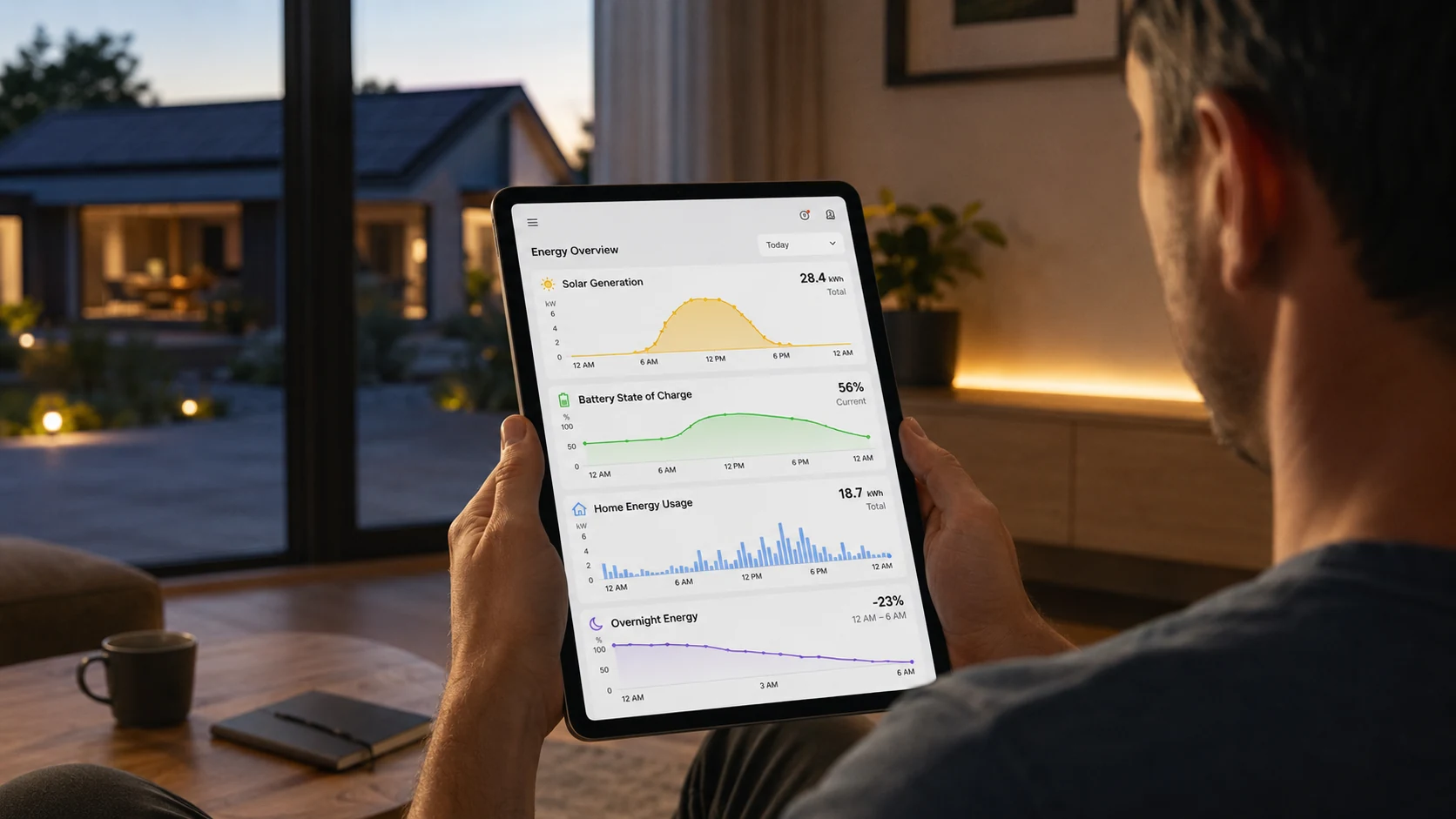
A solar monitoring app is one of the most useful tools for understanding why a battery is draining overnight. It can show how much energy is generated, stored, exported and used at different times of the day.
Rather than focusing only on the battery percentage in the morning, review the full daily pattern.
The state of charge graph shows how the battery level changes over time.
A steep decline shortly after sunset may indicate high evening demand from cooking, air conditioning or several appliances operating at once. A slower, steady decline throughout the night is more likely to reflect background loads such as fridges, routers and security systems.
Look for:
The app should also show how much electricity the solar panels generate during the day and whether the battery reaches an adequate charge level before sunset.
If the battery rarely charges fully during clear weather, possible causes may include:
Very low generation, extended periods with no output or unusually flat performance curves may require professional investigation.
Many monitoring apps show when household electricity use increases. Some systems can identify individual circuits or devices, while others only show the timing and size of each spike.
Even without device-level monitoring, timing can provide useful clues. For example:
Comparing several days of data can help distinguish normal household routines from unexpected energy use.
A battery inspection may be required when monitoring data shows an unexplained change or when the system displays signs of a possible fault.
Follow the inspection and maintenance schedule recommended by the manufacturer and installer. Periodic performance reviews are also worthwhile, particularly if the system is exposed to heat, dust, coastal conditions or significant changes in household electricity use.
A professional review may include:
Any physical or safety-related concern should be investigated promptly rather than waiting for routine maintenance.
Warning signs include:
Do not open the battery cabinet, touch damaged components or attempt to change the wiring. If the system shows signs of physical damage, excessive heat, swelling, water ingress or unusual smells, follow the manufacturer’s shutdown instructions where it is safe to do so and contact the installer or a suitably qualified professional promptly.
An inspection is also recommended after severe storms, flooding, nearby lightning strikes or electrical work involving the property’s switchboard.
Rapid overnight battery drain is rarely caused by a single factor. It is often linked to household energy consumption, usable battery capacity, inverter settings, daytime solar production or a combination of these issues.
Reviewing monitoring data is the best starting point. It can reveal whether the battery is charging adequately during the day, whether high-demand appliances are operating after dark and whether the reserve settings are limiting available storage.
Where the battery’s performance changes suddenly, the system regularly reaches its reserve level much earlier than expected or physical warning signs are present, a professional inspection can help identify the cause. A properly configured solar battery installation should reflect the household’s actual energy habits, backup requirements and long-term electricity needs.


.webp)

.webp)