When the power goes out, most property owners assume their solar panels should keep at least part of the home or business running. In practice, it is not that simple. Platinum Solar Group often hears the same question from customers who want more energy security: will a solar battery actually work during a blackout? The answer depends on how the system has been designed, how the inverter responds when the grid fails and whether the switchboard has been configured for backup power.
This article explains what really happens when the grid goes down, why many solar systems shut off immediately and how battery storage changes that outcome. It also looks at solar battery installation, the difference between standard grid-connected solar and a true blackout-capable setup, what a battery can realistically power and which system design choices matter most if backup power is a priority.
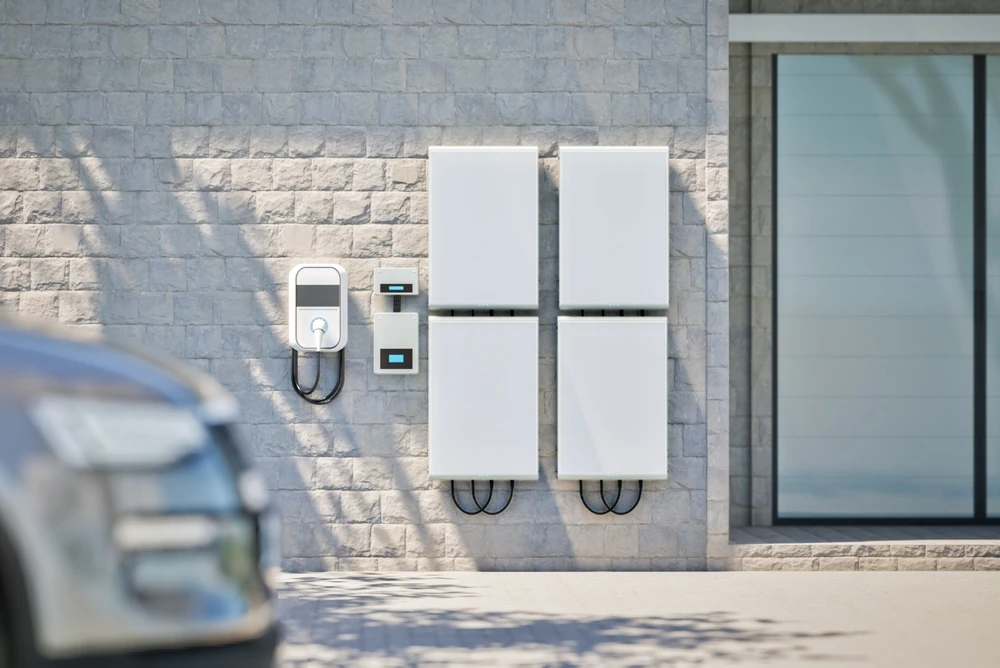
Many people are surprised to learn that a standard solar system usually stops working during a blackout, even in full sun. This is not a fault. It is a built-in safety response that prevents electricity from being sent back into the network when the grid is down.
Understanding this is important because it explains why solar panels alone do not automatically provide backup power. If blackout protection matters, the system must be designed for it from the start or upgraded with the right components.
The main reason solar systems shut down during a blackout is a safety feature known as anti-islanding. In a typical grid-connected system, the inverter is designed to stop supplying power as soon as it detects that the grid has failed or become unstable.
This is necessary because, if a solar system continued feeding electricity into the street during an outage, it could energise lines that utility workers expect to be dead. That creates a serious safety risk. Anti-islanding protection prevents this by forcing the inverter to disconnect within moments of the grid going down.
Because of this requirement, a standard grid-connected solar system without backup capability cannot continue operating during a blackout, regardless of how much sunlight the panels are receiving.
A conventional solar inverter works by synchronising its output with the electricity grid. It does not create its own stable household power supply independently. Instead, it relies on the grid to provide the voltage and frequency reference it needs to operate correctly.
Under normal conditions, the inverter converts DC electricity from the solar panels into AC electricity that matches the grid waveform. It then uses that power to supply the home, with any excess exported to the network if the system is set up to do so.
When the grid disappears or moves outside acceptable limits, the inverter treats this as a fault condition. It shuts down and isolates the solar system until the network has been restored and remains stable long enough for reconnection.
Solar panels produce DC electricity, but they do not manage household circuits on their own. Without a battery and a backup-capable inverter, there is no stable source of AC power to run the property safely when the grid drops out.
In a standard setup, the home’s electrical system is still tied to the grid. Once the grid fails, the solar system must disconnect, which means the panels cannot keep supplying power to the house. This is why solar is excellent for reducing daytime energy costs but does not automatically deliver blackout protection.
A battery changes the way a solar system behaves during a blackout because it gives the property a stored source of energy and, when paired with the right inverter, a way to keep selected circuits operating independently of the grid.
Rather than shutting down completely, a properly configured battery system can isolate the property from the network and continue supplying power to nominated loads. This is what allows some homes to keep lights, refrigeration and communications running while the rest of the street is without power.
When the grid is operating normally, solar energy usually supplies the home first, then charges the battery, with any remaining surplus sent to the grid. The inverter and battery management system coordinate this process in real time.
When a blackout occurs, a backup-capable system typically responds in a clear sequence. First, it disconnects from the grid to meet safety requirements. Then it switches into backup or island mode. From that point, the battery and available solar generation supply power only to the backed-up circuits.
This transfer can happen very quickly, often in less than a second. In many cases, lights, refrigeration and internet equipment continue running with little disruption, although some sensitive electronics may briefly reset.
During a daytime outage, the solar array and battery work together. Solar generation supplies active loads first, then tops up the battery if there is spare generation capacity. If solar production drops because of cloud cover or heavy demand, the battery makes up the difference.
At night, or during very poor weather, the battery becomes the only available energy source until the sun returns or the grid is restored. Once the battery reaches its programmed minimum reserve level, the backup supply will stop, which is why system sizing and load selection are so important.
Most residential battery systems are set up to back up selected essential circuits rather than the entire property. This is usually the most practical approach because it makes better use of stored energy and reduces the risk of draining the battery too quickly.
Common backed-up loads include the fridge and freezer, internet equipment, a small number of lights and selected power points for charging devices. In some homes, a small air conditioning unit may also be included. Larger loads such as electric ovens, ducted air conditioning, pool heaters and electric hot water systems are usually excluded because they can exhaust battery storage very quickly.
For a solar battery to operate during a blackout, the system needs more than just battery storage. Backup performance depends on the inverter, switchboard arrangement, control settings and the way the property’s circuits have been configured.
This is where many assumptions go wrong. A battery may be installed primarily for energy shifting or bill reduction, but unless the system includes blackout functionality, it may not provide the backup power the owner expects.
Not every inverter can support blackout operation. Standard solar inverters are generally designed only for normal grid-connected use, while hybrid or backup-capable inverters are designed to manage both solar generation and battery supply during an outage.
The battery itself also needs to be compatible with the inverter and backup controls. Some systems are designed specifically for energy storage without full backup operation, while others include integrated blackout functionality. The exact combination matters, and that is why system compatibility must be checked carefully during design.
A blackout-capable system also needs a safe method of isolating the property from the grid. This is usually handled by an automatic transfer switch or an integrated backup gateway. These components allow the home to disconnect from the network quickly and safely when an outage is detected.
In most cases, the switchboard also needs to be configured so that only selected circuits are supported during backup operation. This may involve adding a backup sub-board, relocating circuits and upgrading protection devices so the system can operate safely and in line with current electrical requirements.
Even a well-installed battery system can underperform during a blackout if it has not been set up properly. Backup reserves, charge priorities and operating modes often need to be configured in the monitoring platform or battery management software.
This matters because many owners want some stored energy held back in case of an outage. Without the right settings, the battery may discharge too deeply during normal use and have little left when the grid actually fails. Good monitoring and sensible programming help turn a battery from a simple storage device into a more reliable backup system.
A battery can keep essential services running during a blackout, but the actual runtime depends on how much usable storage the system has, how heavily the backed-up circuits are loaded and whether the solar array can continue recharging the battery during daylight hours.
Two figures matter here. Battery capacity, measured in kilowatt-hours, tells you how much energy is stored. Power output, measured in kilowatts, tells you how much load the system can handle at once. A battery may have enough stored energy for a long outage, but still be unable to run too many large appliances at the same time.
Most residential batteries fall somewhere in the 5 to 20 kWh range, with many homes using systems around 10 to 13.5 kWh. In practical terms, that is often enough to support essentials such as refrigeration, lighting, internet equipment, televisions, device charging and a limited number of power points.
For many households, that level of storage can cover several hours to overnight backup if loads are kept modest. The more disciplined the load management, the longer the battery will last. Once heavy appliances are added, stored energy can be used far more quickly.
Backup duration depends on the size of the battery and the average demand placed on it. A battery supplying a small, efficient essential-load circuit will last far longer than one attempting to support a high-consumption household.
If solar production is available during the day, the system has a much better chance of extending backup through a prolonged outage. In that situation, daytime solar can power loads directly and recharge the battery for overnight use. That is why some homes can manage multi-day outages reasonably well, provided usage stays conservative and weather conditions are favourable.
Battery systems are not only limited by stored energy. They are also limited by how much power they can deliver at one time. If several high-demand appliances start together, the system may overload or shut down the backup supply to protect itself.
This is why realistic expectations matter. A battery is often best thought of as a way to maintain essential services and reduce disruption, not as a guarantee that the home will operate exactly as normal during a prolonged blackout. Households that want broader coverage usually need larger battery capacity, higher inverter output and a carefully planned backup strategy.
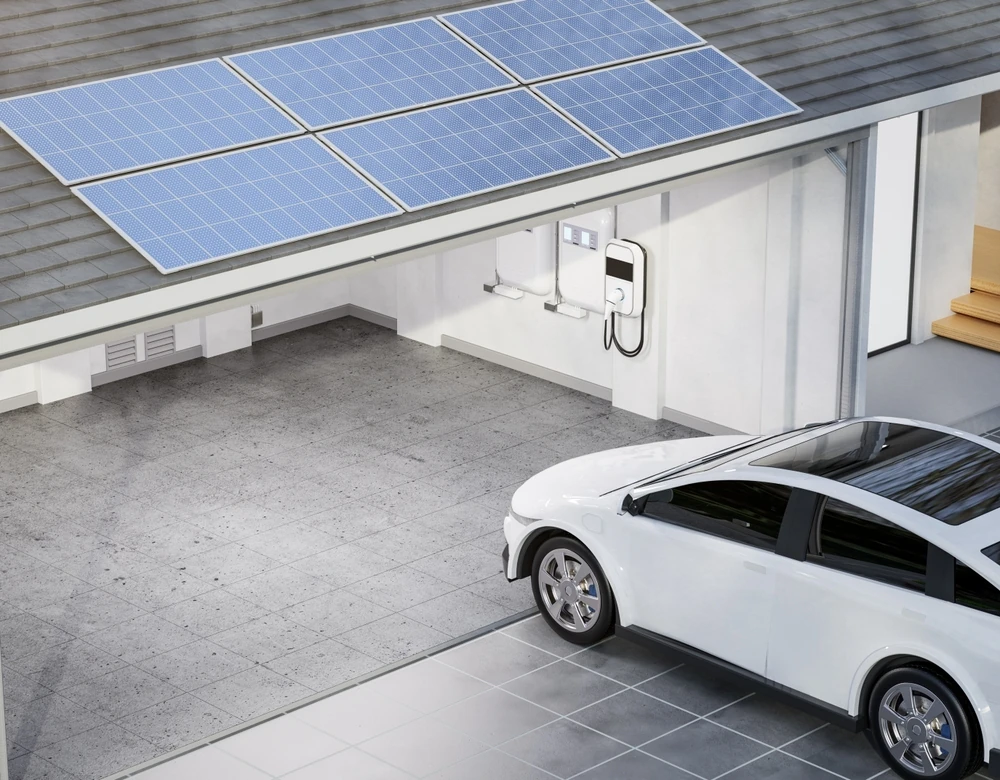
For many property owners, the idea of blackout protection is appealing, but the decision still comes down to value. A battery adds a significant cost to a solar system, and blackout capability often requires extra hardware and switchboard work on top of the battery itself.
Whether that investment is worthwhile depends on how often outages occur, how disruptive they are when they do happen and how much value the household places on keeping key services running when the grid fails.
The total cost of a blackout-capable battery system depends on battery size, inverter type, the complexity of the switchboard and whether it is being added to an existing solar system or installed as part of a new one.
Systems designed only for energy storage may cost less than those built for full backup functionality because blackout protection often involves additional switching equipment, circuit changes and commissioning work. Larger homes, higher energy use and broader backup expectations also tend to push costs upward.
A battery is often easier to justify where outages are frequent, prolonged or especially disruptive. Homes that rely on refrigeration for medication, security systems, remote work equipment, communications or electrically powered water systems may place a much higher value on backup power than a household that experiences only rare, brief outages.
In contrast, if outages are uncommon and short, the additional cost of blackout-capable storage may be harder to justify on backup alone. In those situations, the decision may depend more on the broader benefits of battery storage, such as increased self-consumption of solar energy and reduced reliance on the grid.
Solar batteries can absolutely work during a blackout, but only when the system is designed to do so. A standard grid-connected solar setup will usually shut down as soon as the grid fails, even if the roof is producing plenty of power. To keep essential loads running, the property needs a compatible battery, a backup-capable inverter, the right switchgear and a switchboard arrangement that supports safe islanded operation.
The key takeaway is that backup power is not automatic. It comes down to design, compatibility and realistic planning. If blackout protection is important, the focus should not just be on adding a battery, but on making sure the entire solar and electrical system is configured to deliver the level of backup the property actually needs.


.webp)

.webp)